A complete dark-fantasy film built entirely from AI generation. 15 minutes. A whole world from nothing.
001
Synopsis
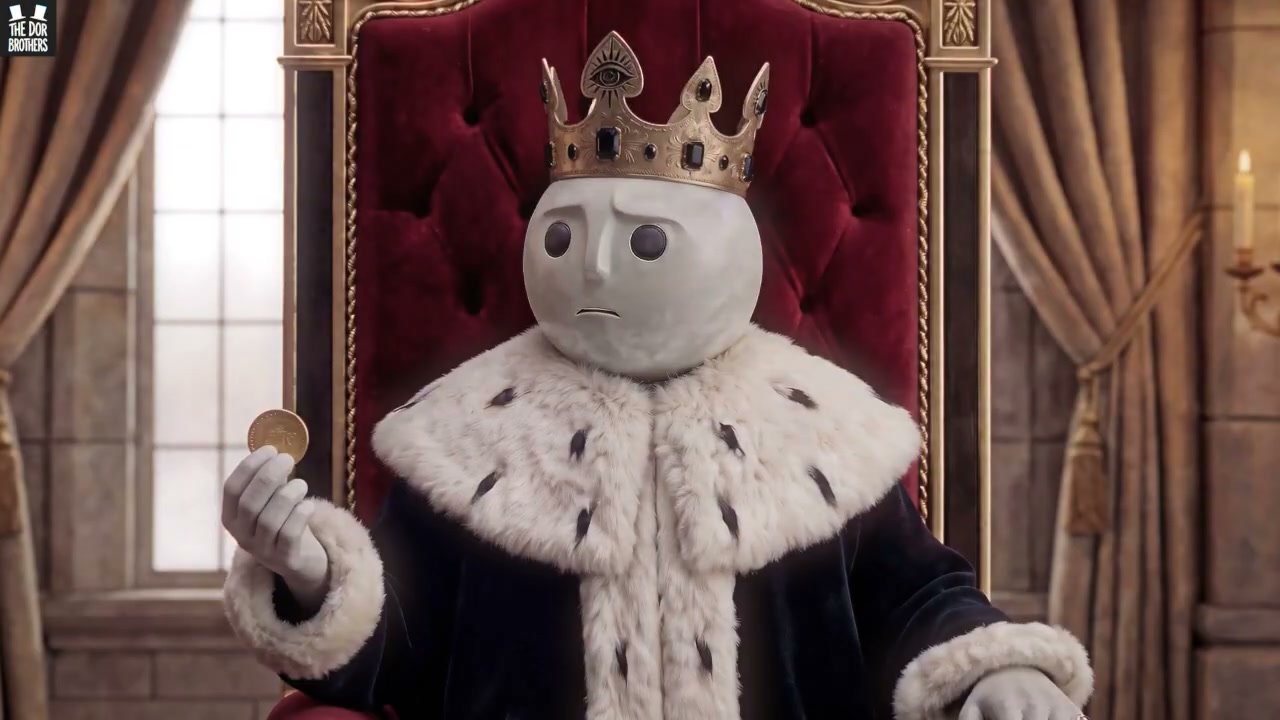
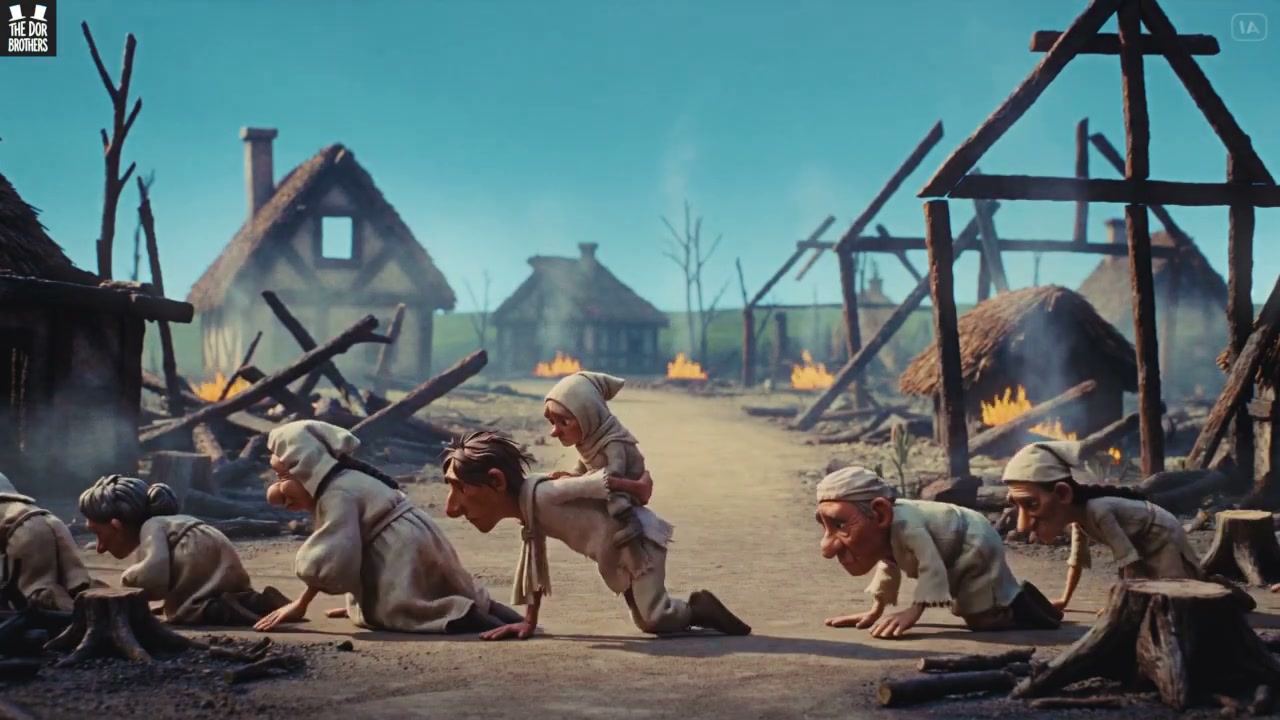
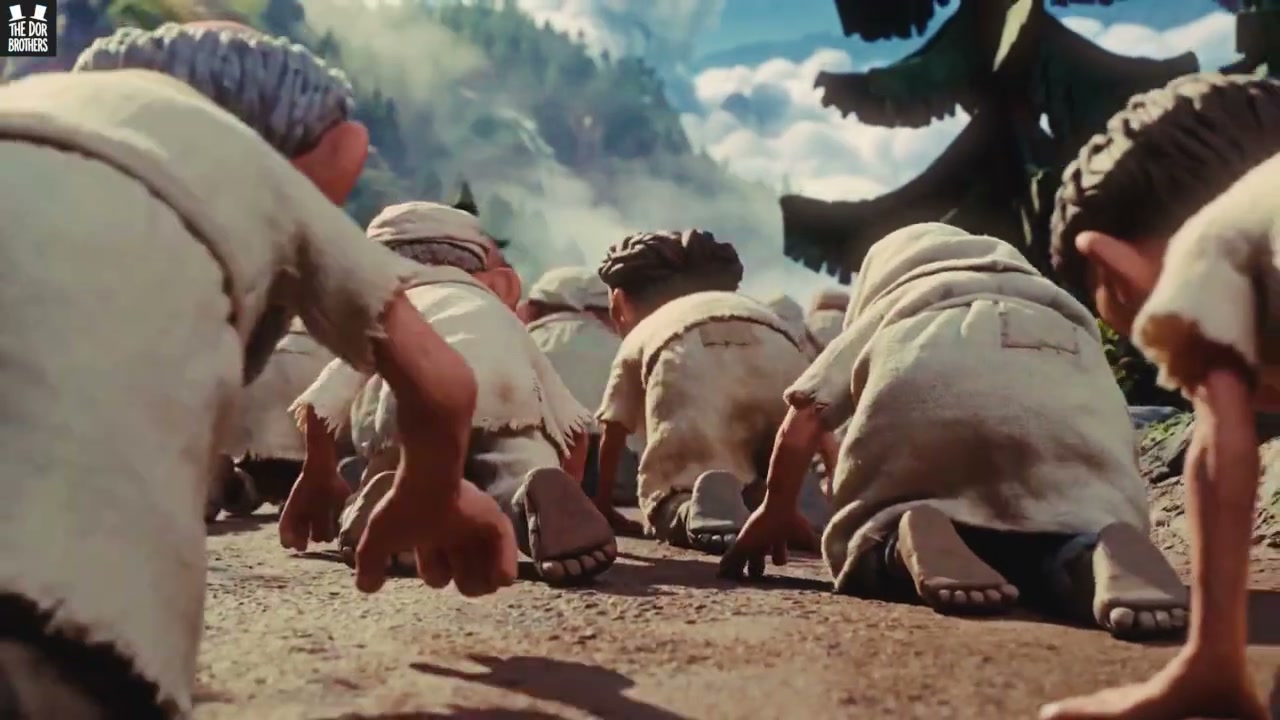
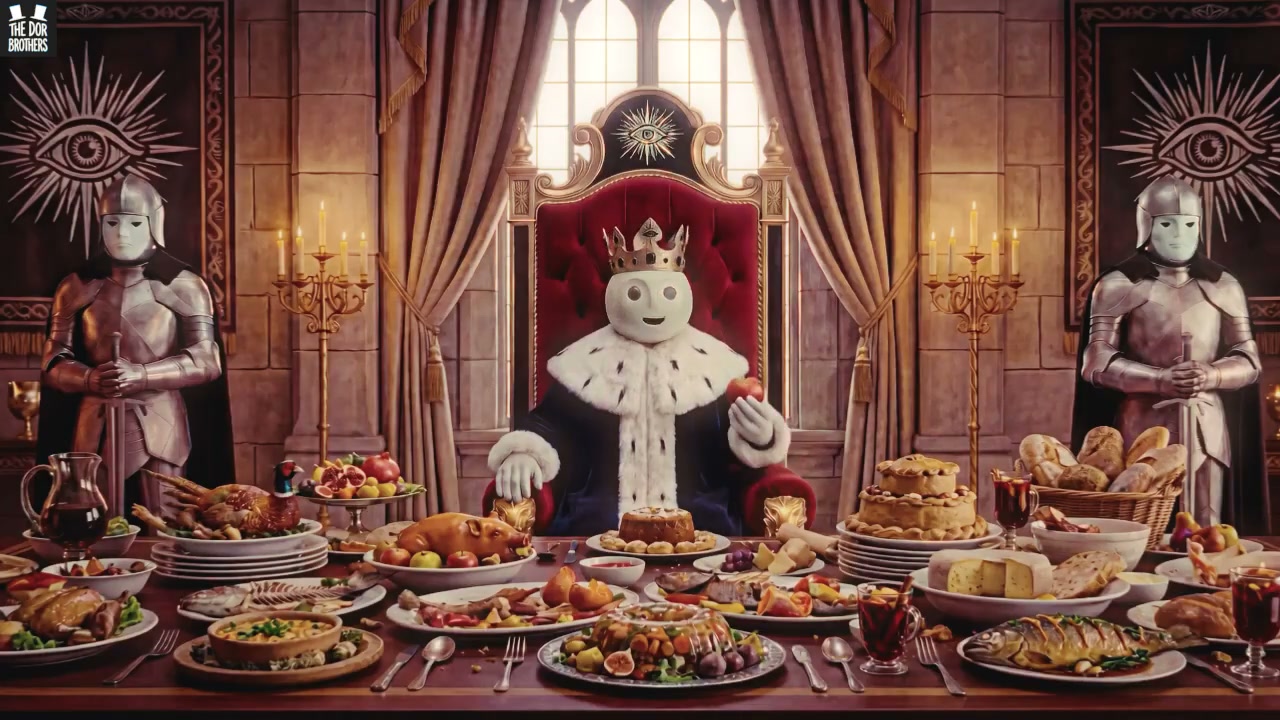
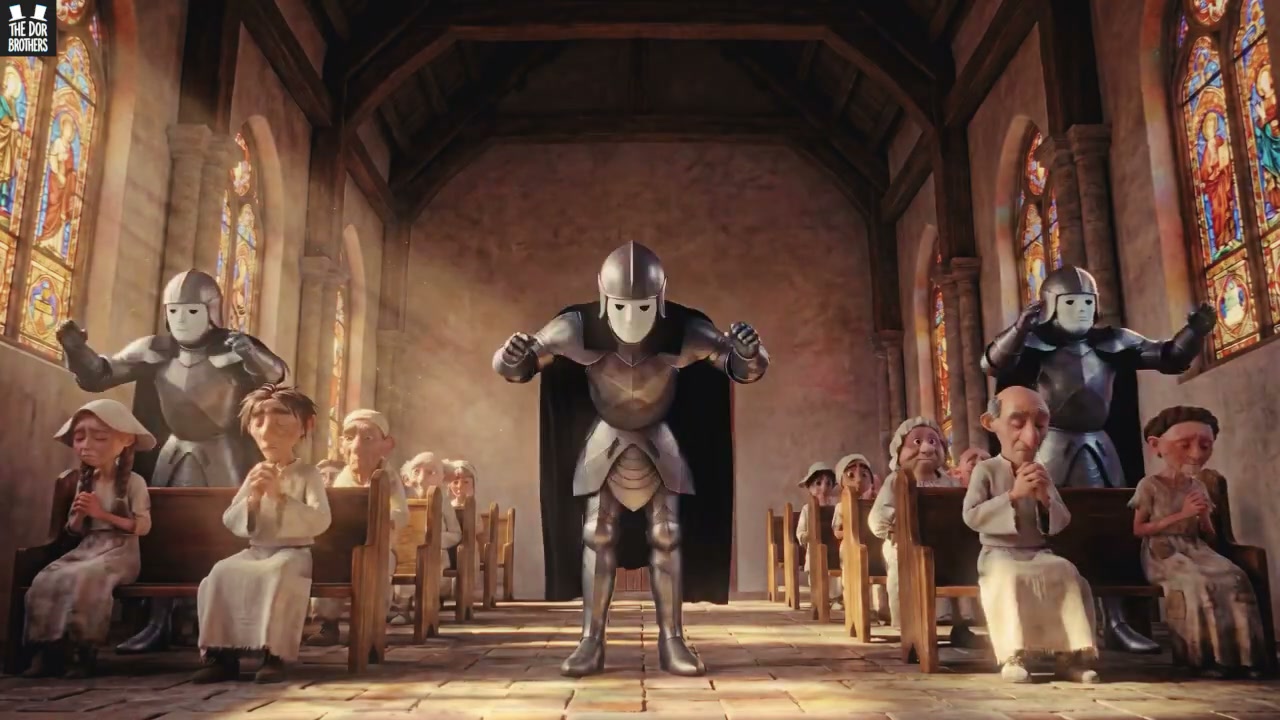
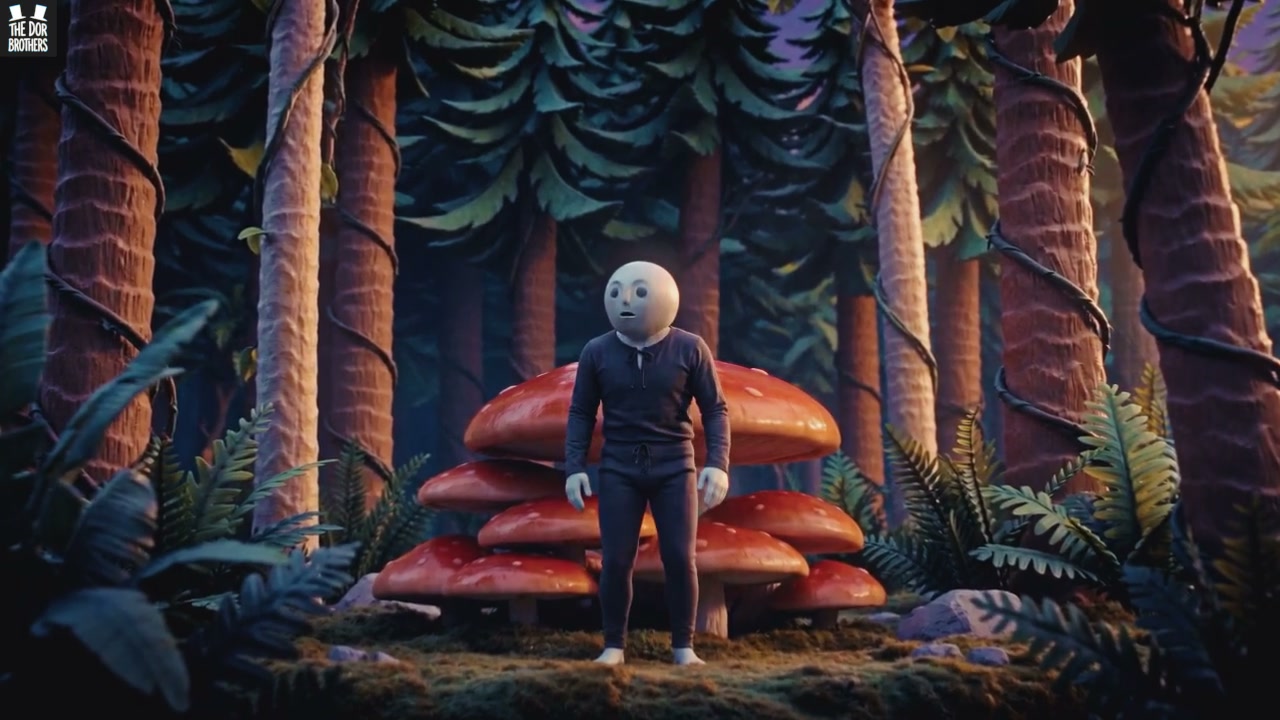
A medieval parable told in five illuminated chapters. A bearded commoner is plucked from a sunlit market square and installed on a throne behind a porcelain mask, his face replaced by a placid moon. He inherits the kingdom as an object - a coin held in his palm, a banquet of roast meat, a court of women who attend him while peasants crawl through the ash of villages outside the wall. Black-and-white engravings break the runtime into Latin chapters - ARVI, NATVRA, IMPERIVM, CREDO - each one a heraldic gloss on what the moon-king is becoming. A dark-haired woman wearing an iron cross sees what he refuses to see. By the time the queen at sunset turns to lecture him, the kingdom is already falling: knights kneel in a half-empty chapel, a tower bursts in mid-air, the king walks impossible staircases over rivers of fire. The final scene is a chess board in the dark. He is no longer crowned. The figure across from him is.
The Veil King is one of the most technically complex long-form AI productions ever delivered. Fifteen minutes of continuous narrative across a single allegorical world, character locking maintained across eleven production drafts, four hand-illuminated chapter plates intercut with full motion sequences, and a unifying iconography - the moon-mask, the all-seeing eye, the iron cross - threaded through every act. The brief required studio production weight on an independent budget; the result is the production benchmark for long-form AI filmmaking.
Category
Long-form AI Film
Year
2025
Runtime
15 min 30 sec
Reach
Draft V11 - studio benchmark
002
Production
The Brief
Produce a feature-length dark fantasy film using entirely AI-generated visuals - a complete narrative world with consistent characters, architecture, and visual logic across 15 minutes of runtime.
The Approach
A full world bible was constructed before a single prompt was written - architecture, costume, lighting, and symbolic system all documented. The Black Spade as unifying visual motif across the Crown Guards, the fortress flag, and the game pieces. Character locking across 11 production drafts. The Pilgrim protagonist maintained through wide, medium, and extreme close-up without rebuilding.
The Result
Draft V11 delivered. The most technically complex long-form AI production in the Dor Brothers catalogue at time of release. 15 minutes of continuous narrative with consistent world logic. Sets the production benchmark for long-form AI filmmaking.
003
References
54
Cast
The Veil King
Production character sheet for the protagonist. Porcelain moon-mask with painted eye-and-mouth, gold crown topped with the all-seeing-eye sigil, ermine cloak with black tail-spots over a deep black velvet robe. Front, profile, and full-body turnarounds. The locked reference the model regenerated against across eleven production drafts.
Cast
The Queen / Maiden
Character sheet for the queen at the cliff. Blonde braided crown, deep red velvet gown with gold trim and corseted bodice, full skirt to the floor. Front, profile, and back turnarounds. The only character permitted to lecture the moon-king to his face.
Cast
Death
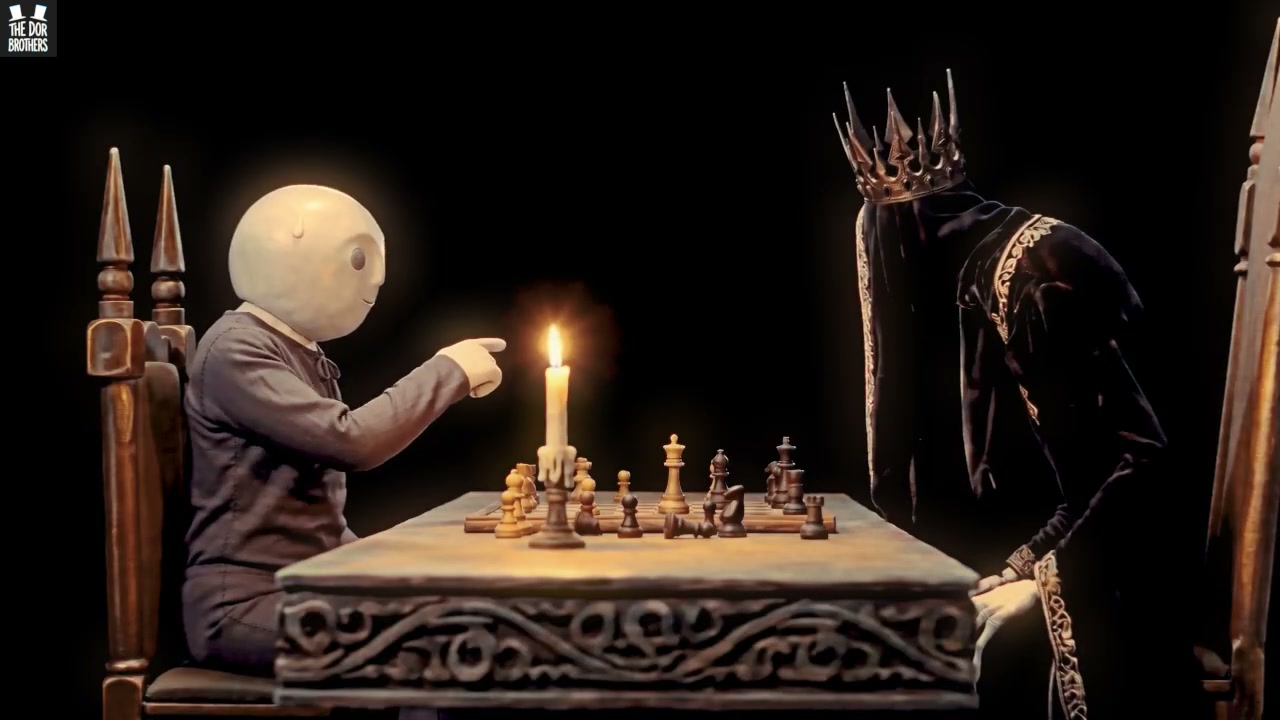
Final design for the figure across the chess board. Tall iron crown above black robes, faceless under the hood, skeletal hand reaching for the pawn. The closing image of the film. Took 272 design passes to land - see iteration set below.
Cast
The Butler
Character sheet for the court attendant who introduces the king to the throne and walks the corridors with him. Held as a single locked silhouette across every interior in the film.
Cast
The King in the Forest
Alternate-state reference. The king stripped of court setting and placed alone in a sunlit clearing, ermine cloak and crown intact - the bridge between throne-hall and natural world used in the second-act pivot.
Cast
The Bear Kid
A child in a heavy bear-fur cloak, hood up. Used as a motif of the population the moon-king never sees - small, ordinary, outside the wall.
Cast
The Rabbit
Character sheet for a rabbit. The single natural-world animal threaded through the chapter plates - the only living creature in the film that does not bow.
Cast
The Peasants
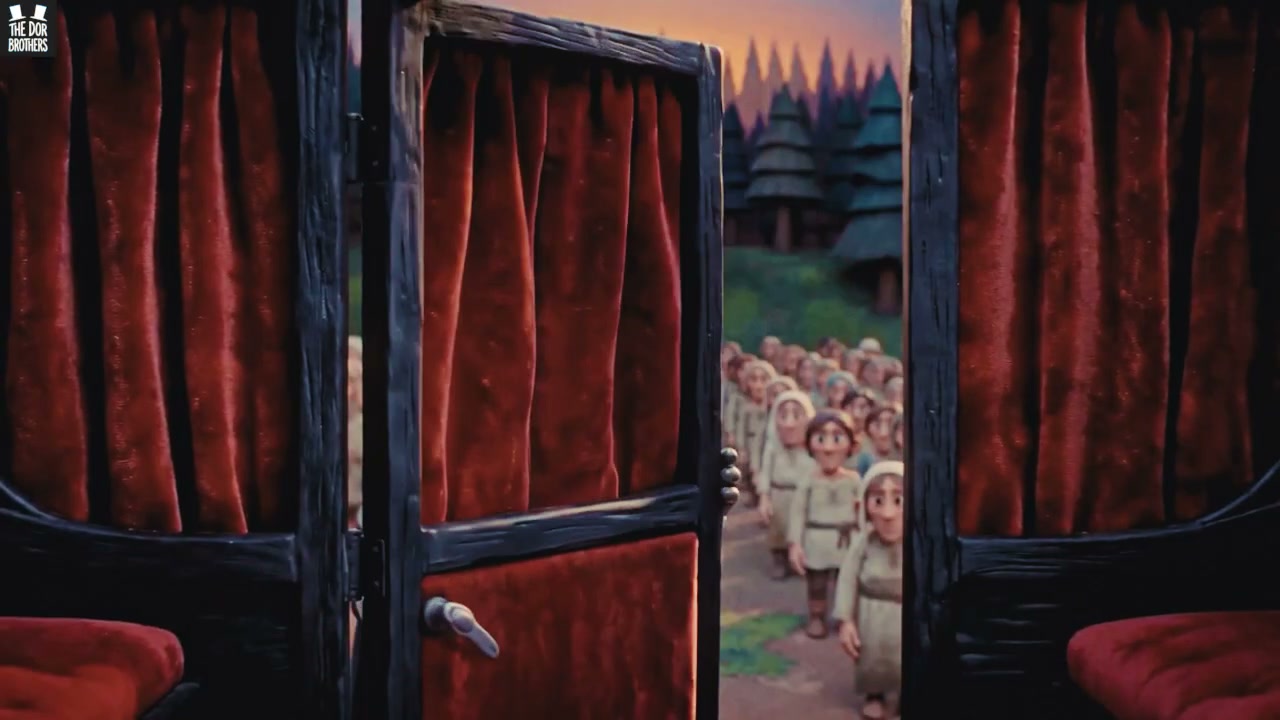
Crowd reference for the village outside the wall. Rough wool, dirt, hooded coats. Locked as a group palette so the throne-hall scenes read against an unseen population the moon-king never inherits cleanly.
Cast
The Women of the Court
Group reference for the four-figure attendant ensemble around the king at the banquet. Same red-and-gold palette as the queen, identity locked separately so the group reads as a chorus rather than a repeat of the same face.
Cast
The Crown Guard
Soldier reference for the men under the Black Spade banner. Iron plate, dark surcoat with the unifying sigil. Used in the chapel kneel and the gate-watch shots, never centred in frame but kept identical across every appearance.
Cast
The Jester
Court reference for the figure at the scales of gold. Particoloured fool's motley, bell-tipped cap, painted face. Threaded into the engraved chapter plates as the witness to the kingdom's new economy.
Cast
The Painter
Court chronicler reference. The figure permitted to look at the moon-king and record what he sees - smock, brushes, board. A small role across the film but locked as a separate character so the act-three transitions could place him on the periphery without identity drift.
Asset
The Citadel and Coin
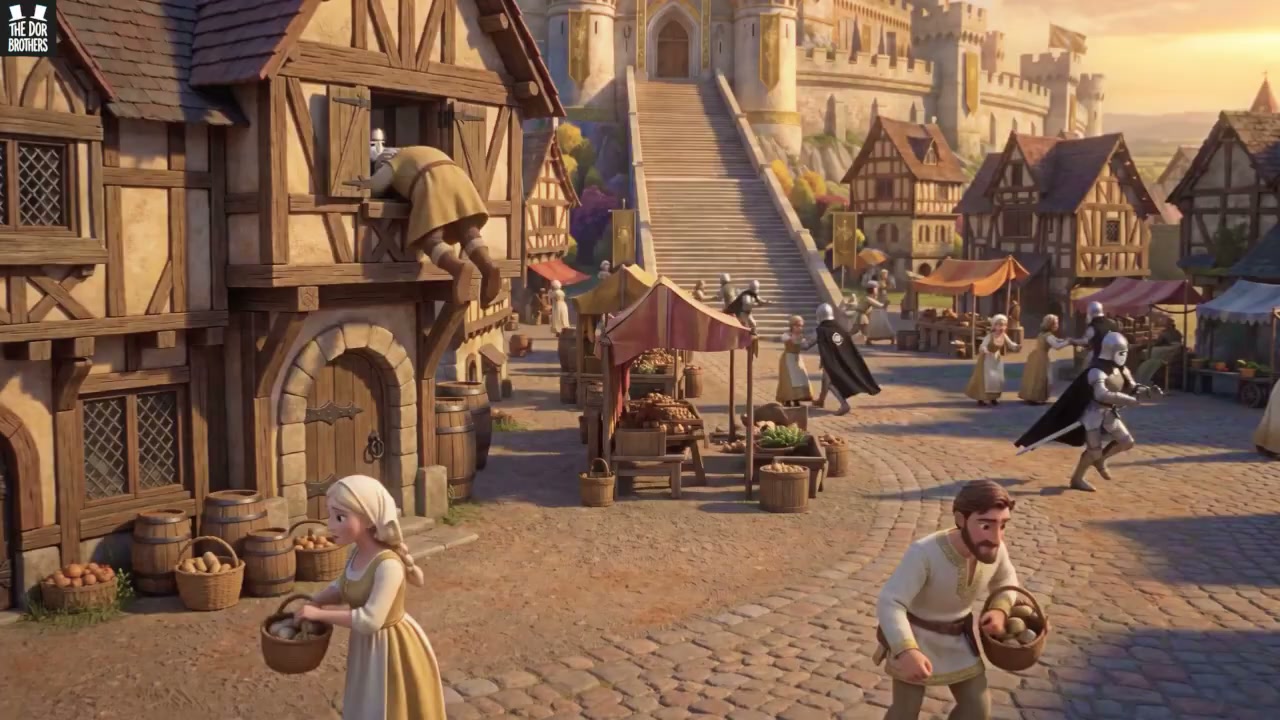
World reference plate for the fortress. White stone keep crowned with a red-and-gold royal cap, gold sun banners on the walls, the village stair leading up through painted-pennant alleys. The single architectural anchor the entire allegory is staged inside.
Asset
The Hourglass
Symbolic reference. Tall hourglass with carved gold base, dark sand caught mid-fall against a shadowed background. The film returns to it at every chapter break - the only object in the cut that is allowed to interrupt the action.
Asset
The Sigil
The film's heraldic anchor. The all-seeing eye, the iron cross, the moon and the spade rendered as a single composite mark. Threaded across crown, banner, ring, and chapter plate to bind the world together as one symbolic system.
Asset
The Chapel
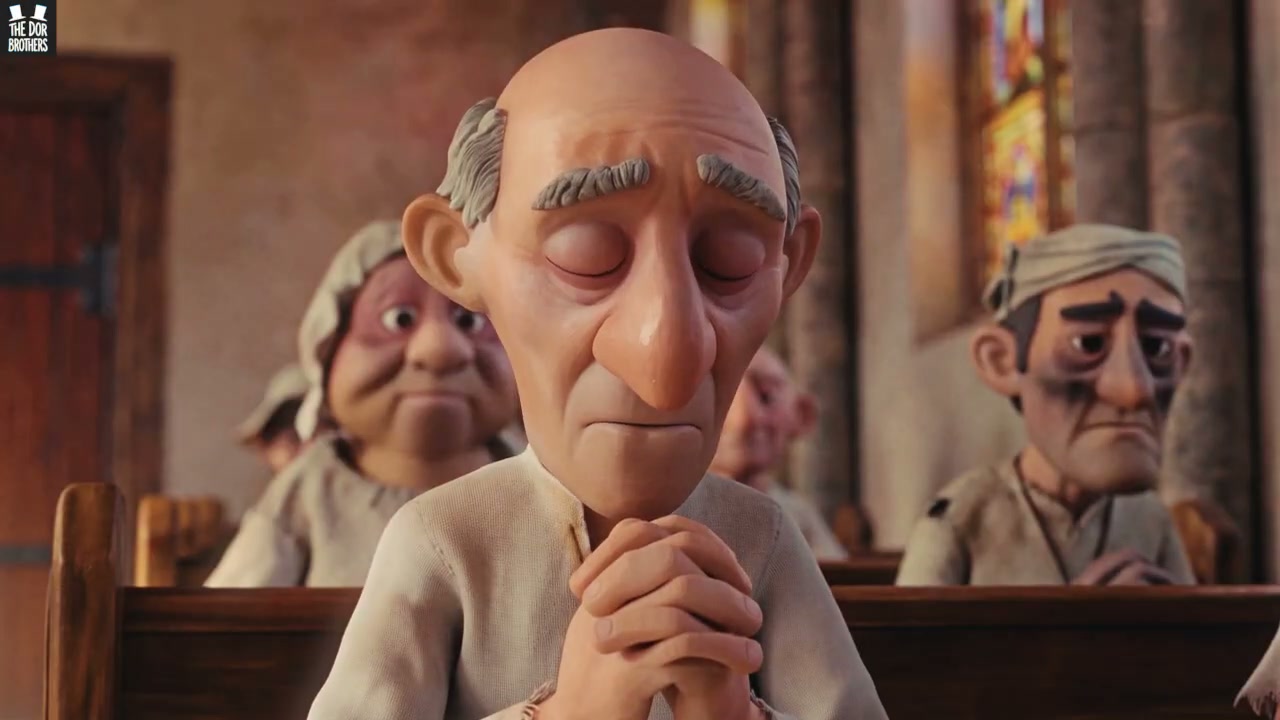
Reference plate for the half-empty chapel where the knights kneel. Stone vaults, narrow windows, the spade banner above the altar. Used as the structural pivot of the third act.
Asset
The Esoteric Plate
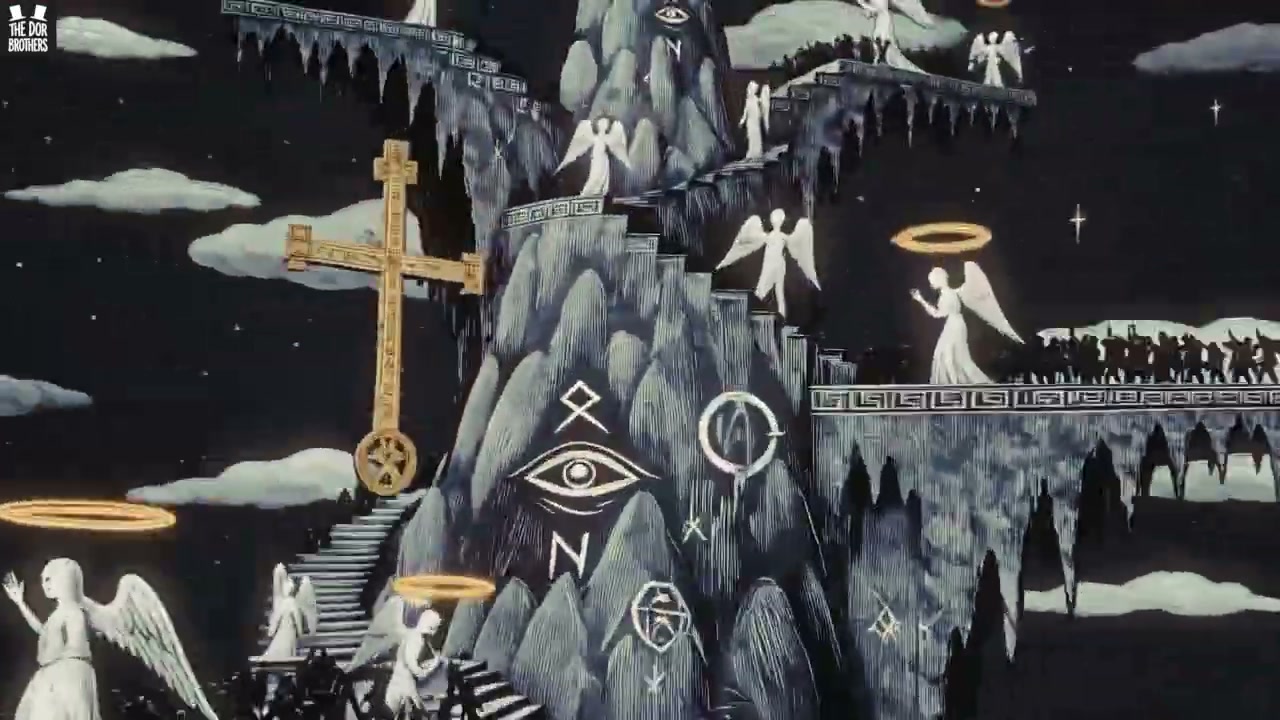
Reference for the illuminated chapter cards. Dense heraldic composition - winged figures, the tree of judgement, the all-seeing eye, the moon king at the foot of the icon. Used as the visual language for ARVI, NATVRA, IMPERIVM, CREDO.
Asset
The Stamper
Reference for the wax-seal sequence. The royal stamp pressed into red wax on parchment under candlelight - the moment the moon-king's authority becomes a thing imprinted on the world rather than carried inside it.
Show 36 more referencesHide extra references▾
Cast
The Trumpet Player
Herald reference. Banner-draped trumpet, tabard with the sigil, raised stance. The figure that announces the moon-king's arrival at every threshold without ever turning to face him.
Cast
The Mother Bear
Companion reference to the Bear Kid. The fur-cloaked maternal figure carrying the child outside the wall. Held as a silhouette so the population the moon-king never sees reads as a lineage rather than a single body.
Cast
The Royal Court
Wider court group reference - lords, ladies, attendants in jewel-tone gowns and embroidered surcoats. Used as the population of the throne-hall scenes, locked separately from the inner Court of Women so the camera can move from intimate banquet to wider audience without the chorus collapsing.
Cast
The Pilgrim - Pre-Crown
Reference for the bearded commoner before the throne. White embroidered tunic, weathered face, the man the kingdom plucks out of the market square. Locked as a separate identity so the audience can read the same face across pre-crown, crowning, and falling sequences.
Cast
The Crowned King - Best Pass
Hero close-up reference for the moon-king at full court power. Crown, mask, ermine cloak, every signature element locked in one canonical pass that the production matched against in every later scene.
Cast
The King in Pyjamas
The vulnerable state. The moon-king out of court regalia - sleep robe, no crown, no cloak, mask still in place. Used in the private interior beats so the figure reads as a body the kingdom has dressed, not a body that began this way.
Cast
The King without Crown
Alternate-state reference. The moon-king mid-falling, ermine cloak still on, crown removed. The bridge between the throne-hall king and the chess-board figure across from him at the close.
Cast
The King with Weapon
Character-state reference. The crowned king holding a sceptre or blade in the regime-change beat - the only frame in the film where the moon-king himself is armed. Locked as its own asset so the audience reads it as a single departure rather than a new register.
Cast
The Gold Soldier
Ceremonial guard reference. Gold-plated armour, sun-banner surcoat, polished helm. The parade variant of the Crown Guard used in the formal procession beats, locked separately so the iron-plated field guards never read as the same body.
Cast
The Soldier from Behind
Silhouette reference. The Crown Guard from the rear, dark surcoat, banner over the shoulder. Used wherever the camera follows a guard into the world rather than stops on his face - the kingdom seen through the back of its enforcers.
Cast
The Bear
Adult bear silhouette. The animal half of the Bear Kid motif - locked separately so the cloak the child wears reads as the skin of a real creature in the bestiary, not a costume invented for the part.
Cast
Death - Alternate Pass
A second held design for the figure across the chess board. Different mask geometry, same robe. One of the final-stage iteration passes the production tested before locking the canonical Death.
Cast
Rabbit - Variant
Second rabbit pass. Posed and lit differently to the canonical sheet so the chapter plates can place the same animal at multiple points in the engraving without feeling repeated.
Cast
The Peasants - Variant
Alternate peasants group reference. Different layout, same palette - the wider crowd cut against the moon-king's court when the camera needed a second angle on the unseen population.
Cast
The King in Pyjamas - Variant
Second sleep-state pass. Different posture, same vulnerability. A held variant the cut could call on whenever the moon-king was placed in his private chambers.
Asset
The Throne Room
Interior reference for the seat of power. Stone vaults, heraldic banners, the spade sigil above the dais. The locked architectural set for every coronation, audience, and council scene in the film.
Asset
The Royal Banner
Reference for the heraldic flag flown across the citadel and carried by the Crown Guard. Black spade on a gold field, deep crimson border. The single piece of textile the production reuses across every wide of the wall.
Asset
The Royal Map
World reference. A hand-drawn map of the kingdom on aged parchment - the citadel at centre, the villages at the edge, the wall between them. Used as a pre-production document the production returned to whenever a new exterior was generated.
Asset
The Crown
Hero prop sheet. Gold band, ruby studs, the all-seeing eye sigil cresting the brow. Held as a separate locked asset so it can sit on the moon-king at the start, on the table in the chess scene, and on the figure across from him at the close - same crown, three different owners.
Asset
The Goblet
Banquet reference. A jewelled gold goblet on the long table at the Court of Women scene. The object the moon-king holds while the kingdom is consuming itself in his name.
Asset
The Carriage
Reference plate for the royal carriage. Gilded panelling, four-horse harness, drawn through the village stair under the sun banners. The locked vehicle for every procession beat in the film.
Asset
Verbum Regis
Title-plate reference. "The King's Word" rendered as illuminated print, stamped seal, the sigil at centre. Used as the formal language of every proclamation moment in the cut - the world bowing to the imprint rather than to the man.
Asset
The Effigy
Reference for the straw-and-cloth dummy in the king's likeness. The placeholder the kingdom carries when the man himself is absent. A short prop appearance, but locked separately so it never reads as the king himself.
Asset
The Dying King
Reference for the bearded king run through in the throne hall during the regime-change beat. Locked as its own character so the audience reads the kingdom losing one ruler before the moon-king takes the throne, rather than a continuity of the same face.
Asset
The Bestiary
Symbolic creature plates - wolf, snake, spider, owl - threaded into the chapter cards and the vision sequences. Each one locked as a separate heraldic asset so the engravings can pull from a closed bestiary rather than improvising new animals per plate.
Asset
The All-Seeing Eye
Standalone reference for the eye motif. The single iconographic element that crests the crown, fronts the banner, and centres the chapter plate. Locked as its own asset so the same eye can appear across crown, sigil, engraving, and dream sequence without drift.
Asset
The Iron Cross
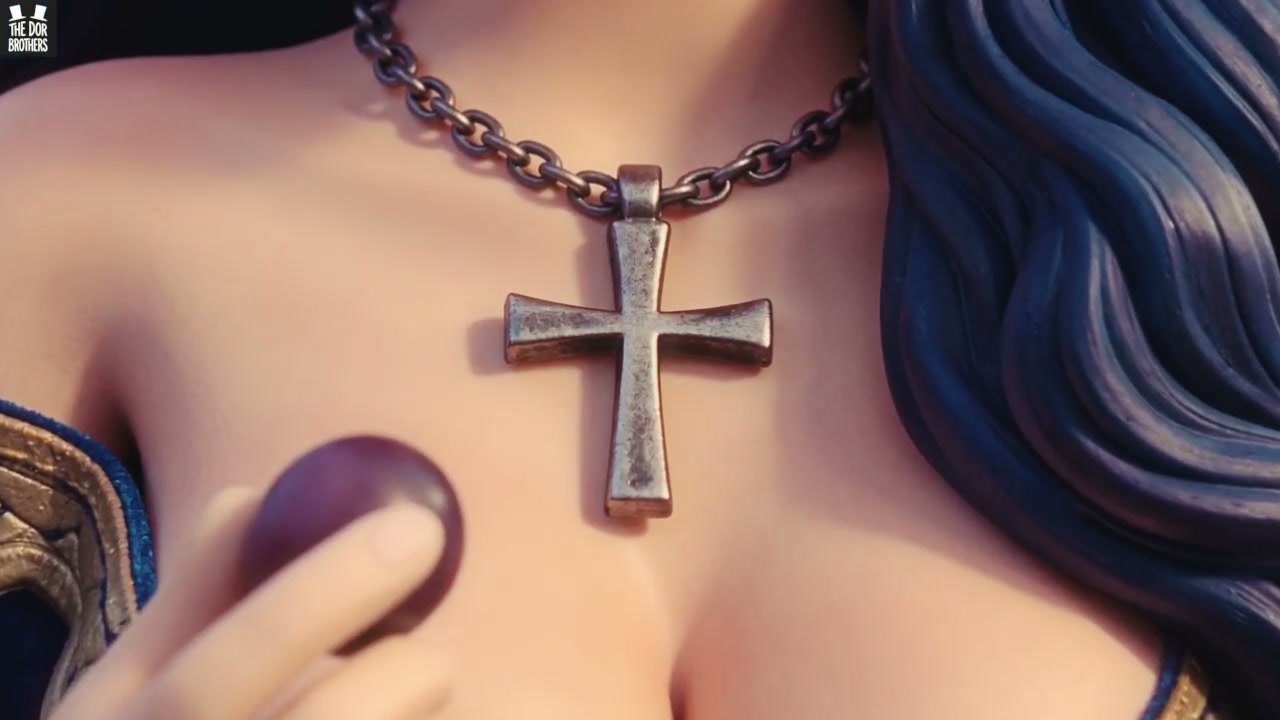
Reference for the witness's pendant. Heavy iron cross on a dark cord, the only object the moon-king cannot dismiss with a glance. Threaded across her close-up, the burning-tower cut, and the chapel kneel.
Asset
The Coin
Hero prop sheet for the gold coin held in the throne scene. The same coin reappears at every economic beat - the bread stall, the wax seal, the chess table. Locked once, stamped wherever it is allowed to appear.
Asset
The Castle
Standalone exterior reference. The white stone keep at altitude, sun banners on the towers, the village stair winding up to it. Locked as its own asset separate from the citadel-and-coin composite plate.
Asset
The Castle - Empty
Late-act variant. The same keep, banners stripped, towers silent. The bridge between the populated citadel of the early acts and the burning tower of the third.
Asset
The Coin Interior
Composite reference. The moon-king at the throne with the coin held forward, framed against the keep visible through the window. The single image that names the kingdom as a transaction.
Asset
The Crown on the Coin
Heraldic composite reference. Crown stamped onto the gold coin face, eye sigil at centre. Used in the wax-seal sequence and the chapter plates - the kingdom's authority compressed into a single mark.
Asset
The Broken Guitar
Symbolic prop reference. A wooden guitar split through the body, strings curled. The interrupted music of the village - present in the market beat, absent everywhere the moon-king walks.
Asset
The Hourglass - Final Lock
The canonical hourglass pass. Carved gold base, dark sand caught mid-fall, the version the production locked after several variants and returned to at every chapter break.
Asset
The Esoteric - Variant
Third pass on the illuminated chapter plate. Different angels, same composition. The production held three esoteric plates so the four chapter cards never repeat the same heraldic language verbatim.
Asset
The Style Plate
Visual-language reference. A single composed image documenting palette, brush, light, and texture as one held style. The production matched against this plate whenever a new environment was generated, so the world reads as one painting across fifteen minutes.
004
Iteration Process · Death
272 PASSES
Final LockScene 12 · The Game with Death
272 ITERATIONSto 1 final
272Design passes
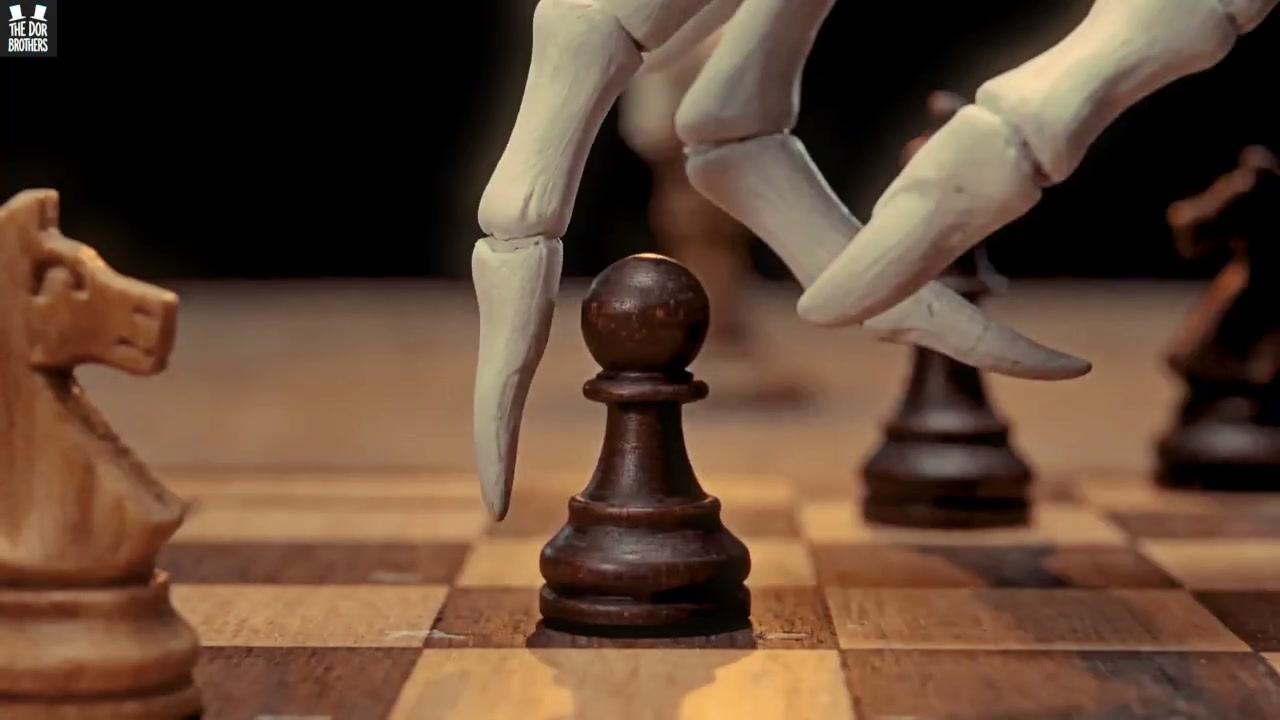
The figure across the chess board in Scene 12: The Game with Death. Two hundred and seventy-two design passes - skull faces, plague masks, robed silhouettes, scythe geometry, crown shape - before the final lock landed on a faceless figure under a tall iron crown, robes the colour of the void, a single skeletal hand reaching for the pawn.
005
Storyboard
12 SC
SC 01 / 1200:00 - 01:30
01
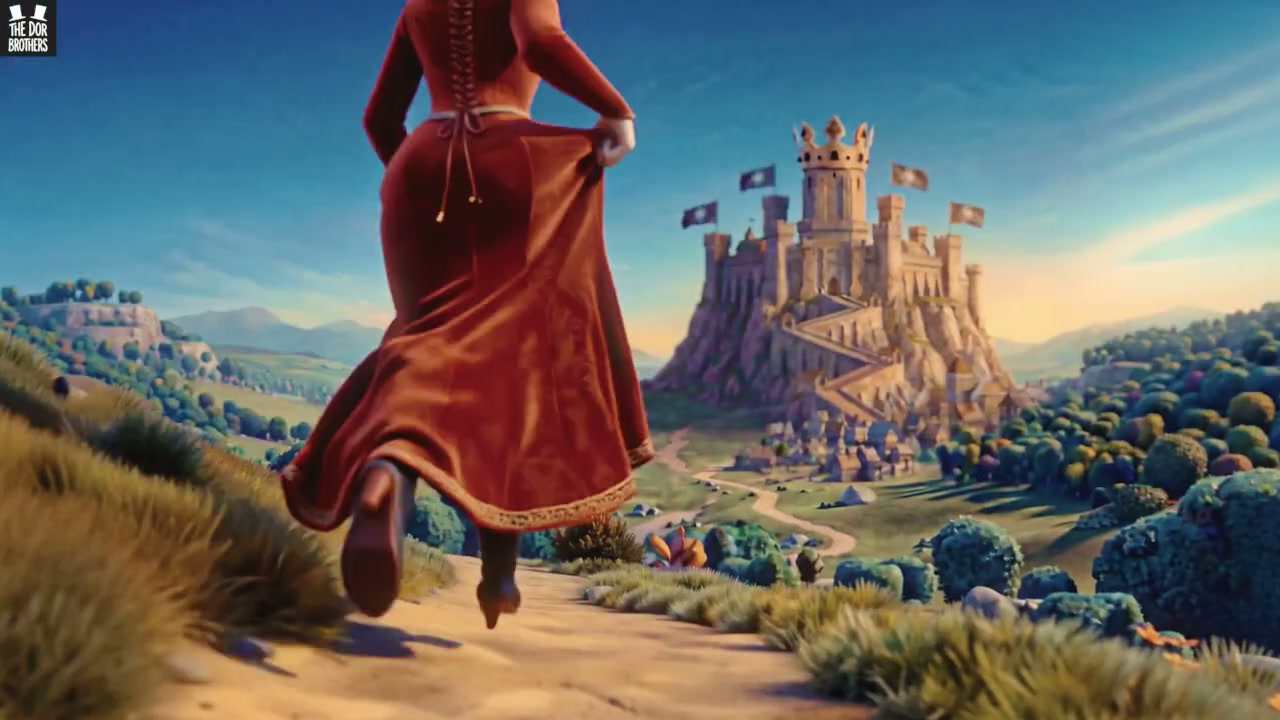
A Woman Runs to the Castle
Wide / Tracking / Golden Hour
Cobalt sky, sunlit hills, a fortified citadel on the rise. A woman in a red velvet gown sprints up the dirt path toward the gates, skirt gathered in one hand. The film opens on flight before it shows what she is fleeing.
Production Note
The opening tracks a single subject across a painterly background plate without character drift - the dress folds, the hair, the castle silhouette all hold across the run. A clean character lock under motion was the first technical hurdle of the production.
01.01
01.02
SC 02 / 1201:30 - 03:00
02
The Throne and the Coin
Symmetrical / Static / Window-Lit
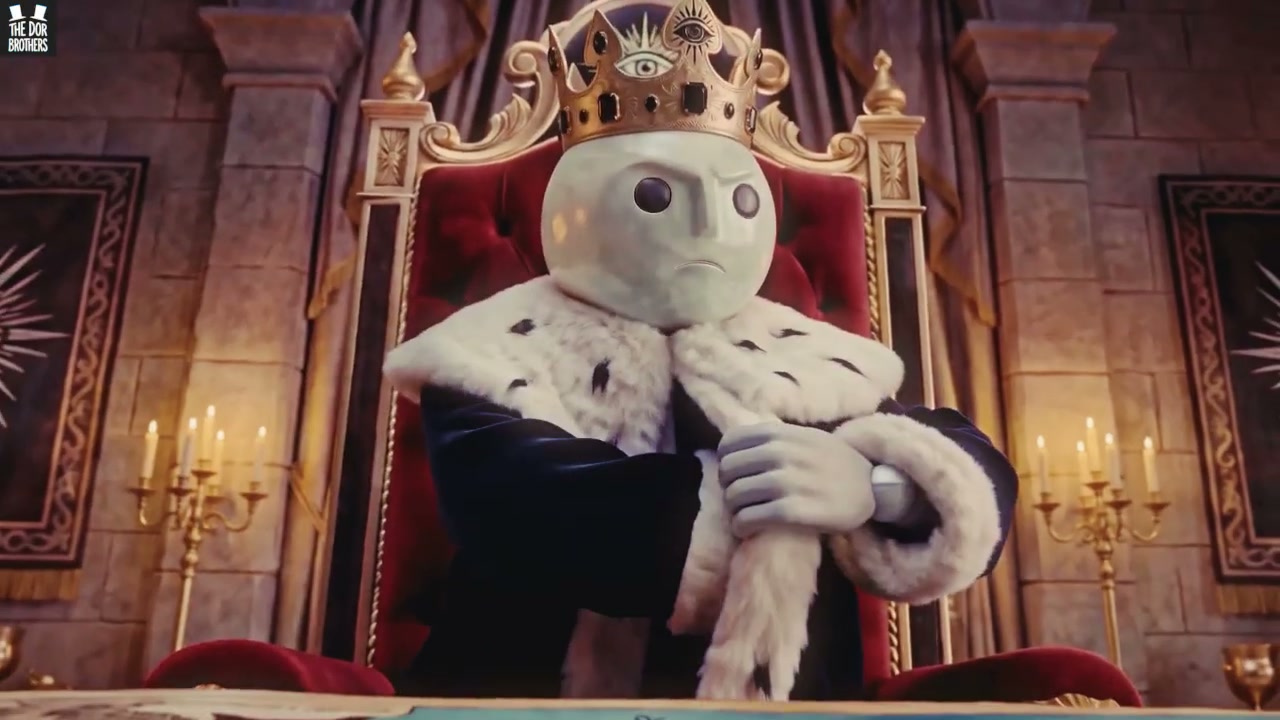
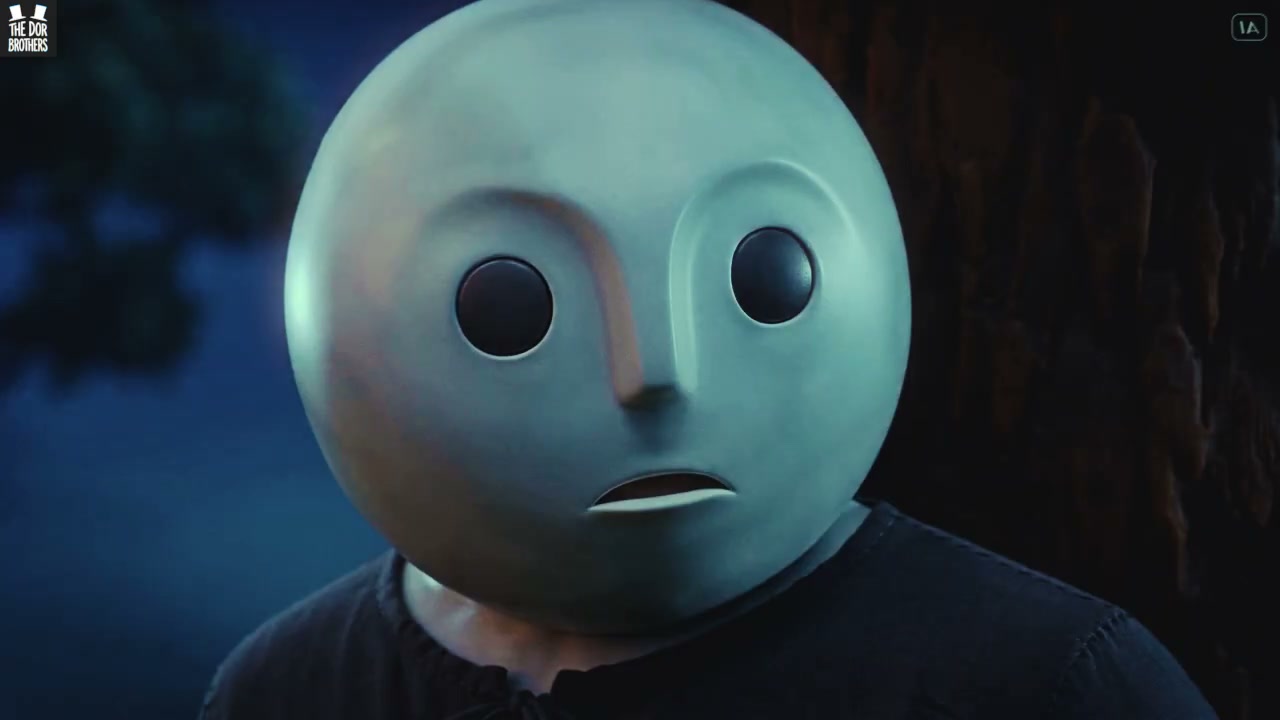
Inside the keep, a moon-faced figure sits enthroned in fur and crown, an eye sigil cresting his brow. He holds a single gold coin between two gloved fingers. The face beneath the porcelain is no longer the face the kingdom remembers.
Production Note
The mask sells the entire conceit. A blank porcelain sphere had to read as a fully expressive performance object across hundreds of shots - the production locked the highlight ramp on the mask early so every later cut would inherit the same lighting grammar.
02.01
02.02
SC 03 / 1203:00 - 04:30
03
Market, Then a Fist
Medium / Handheld / Practical Daylight
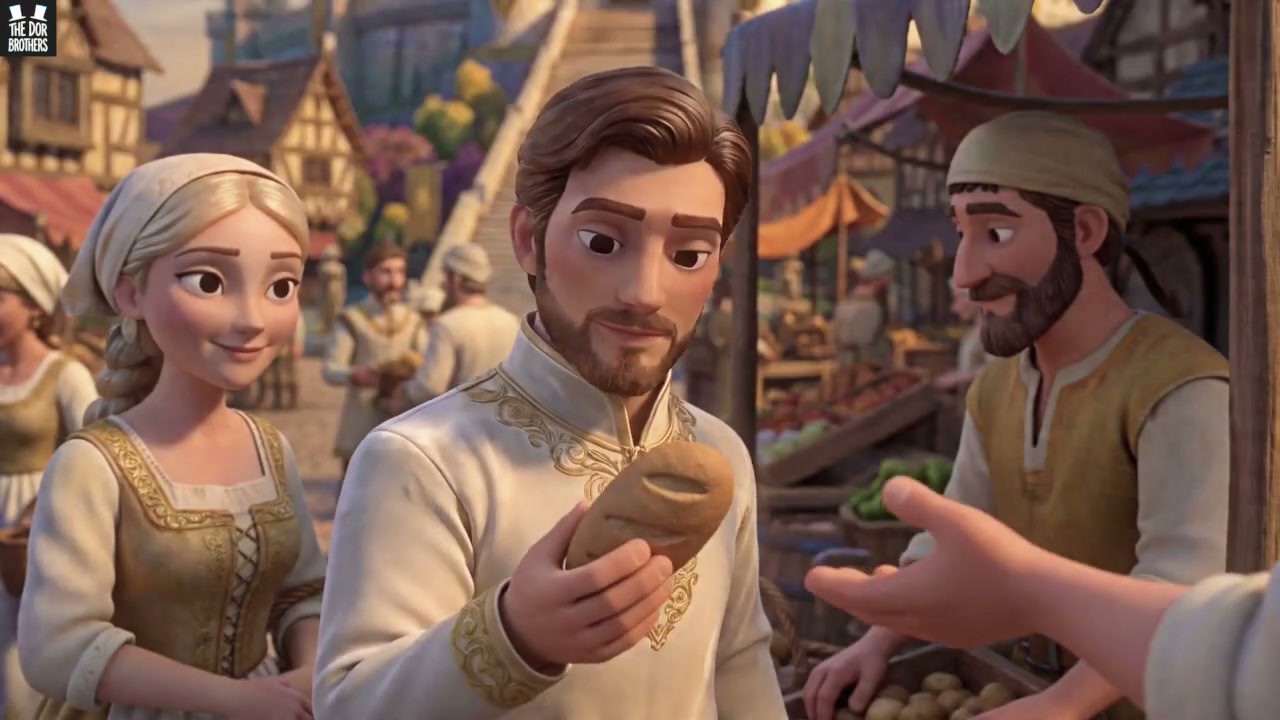
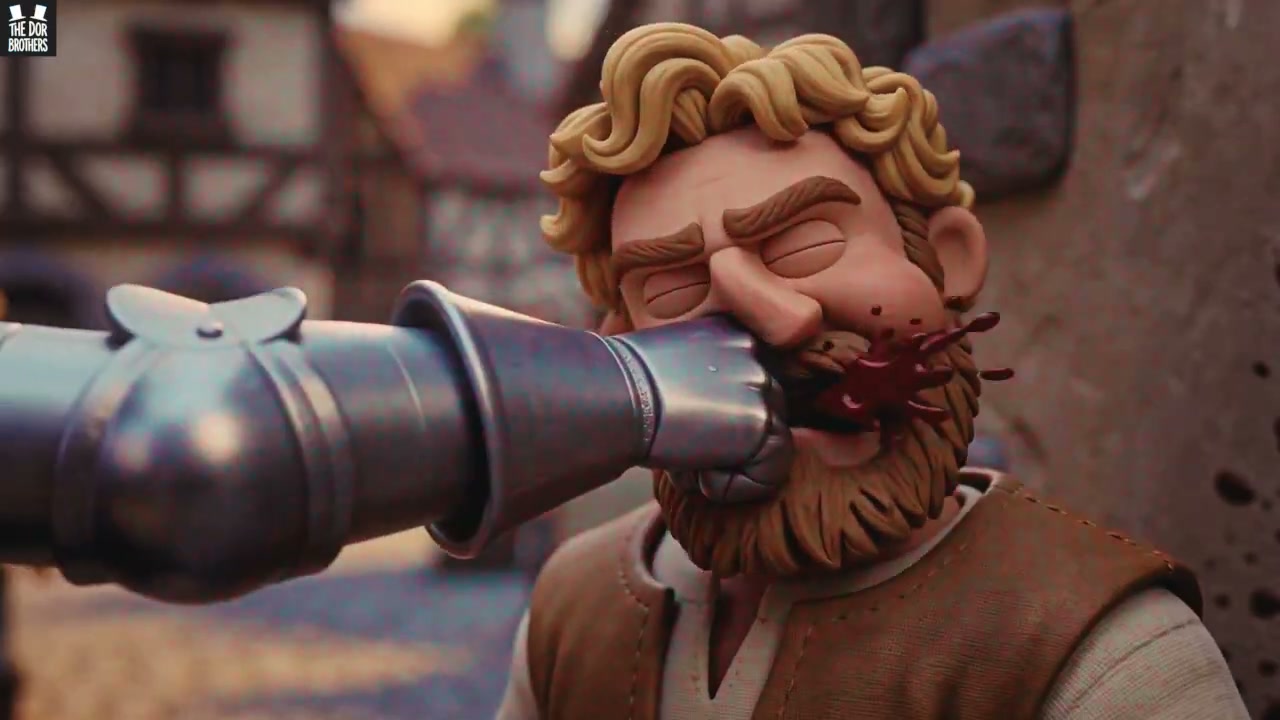
A bustling cobblestone marketplace in low sun. A bearded commoner in a white embroidered tunic exchanges a loaf of bread with a stall vendor. Moments later an armored gauntlet drives into his face - blood blooms across his beard. The kingdom has rules now, even at the bread stall.
Production Note
The cut from communal warmth to violence happens on a single eyeline. Two contradictory atmospheres had to share a character lock - the production reused the same hero head across both passes so the audience would recognise the victim immediately.
03.01
03.02
03.03
SC 04 / 1204:30 - 05:30
04
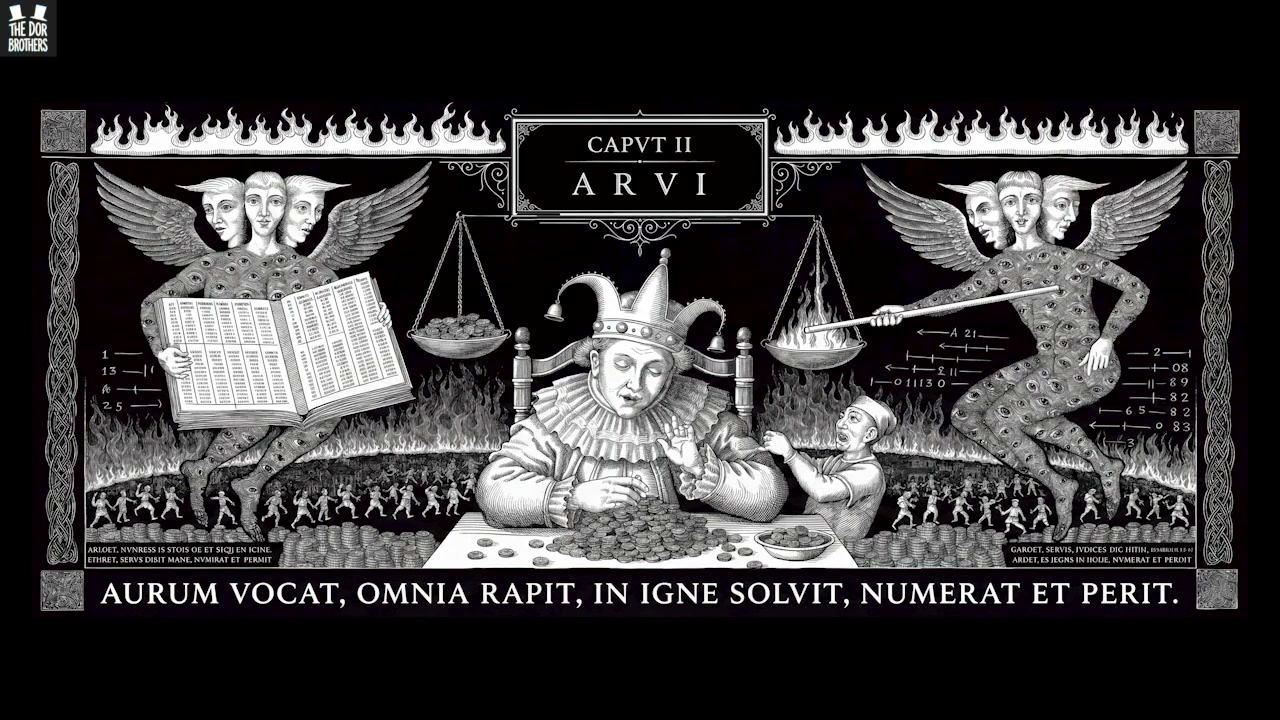
CAPVT II - ARVI
Frontal Engraving / Static / Print Aesthetic
A black-and-white illuminated chapter card. Latin title plate. A jester at scales of gold, demonic figures with eyes for skin, peasants stoking a fire below. The film names what the new economy of the kingdom is, in heraldry rather than dialogue.
Production Note
The illuminated plates are generated as full-resolution editorial engravings, not motion frames - a deliberate stylistic interruption of the volumetric world. The Latin titling and rune borders were treated as production design, not graphics.
04.01
04.02
SC 05 / 1205:30 - 07:00
05
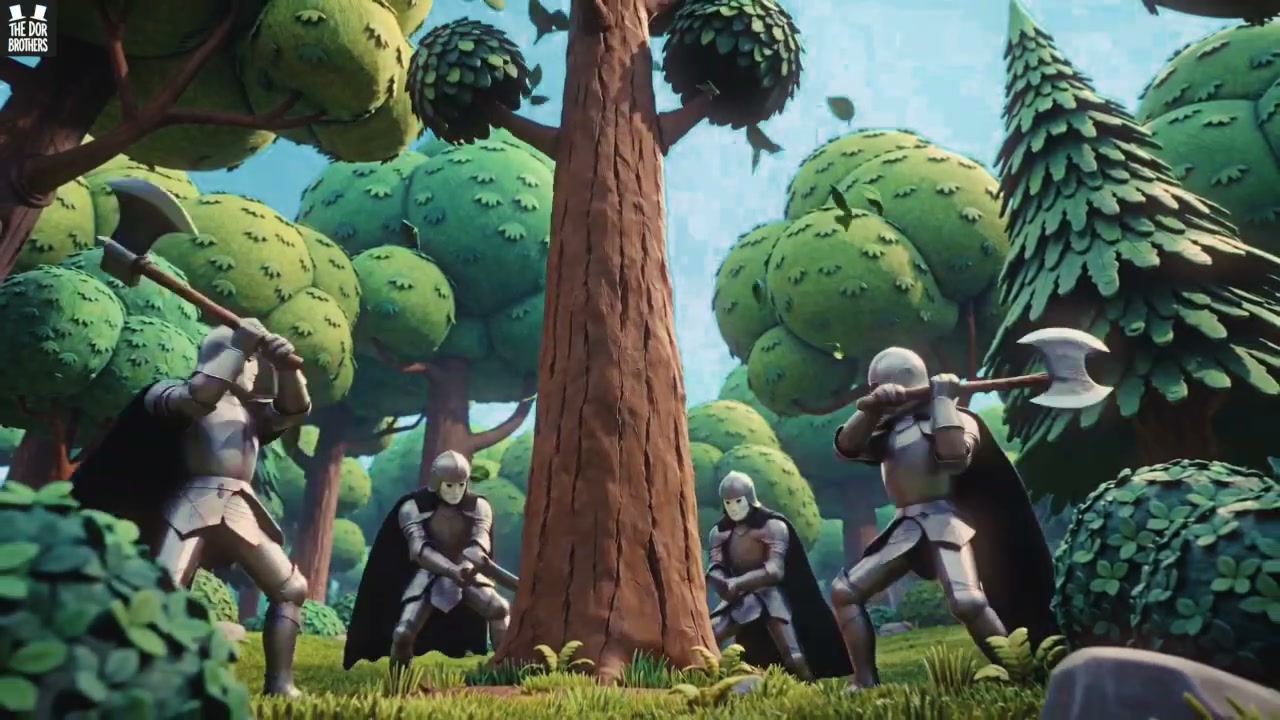
The Forest Ambush and the Hall
Sequence / Static + Tracking / Mixed Light
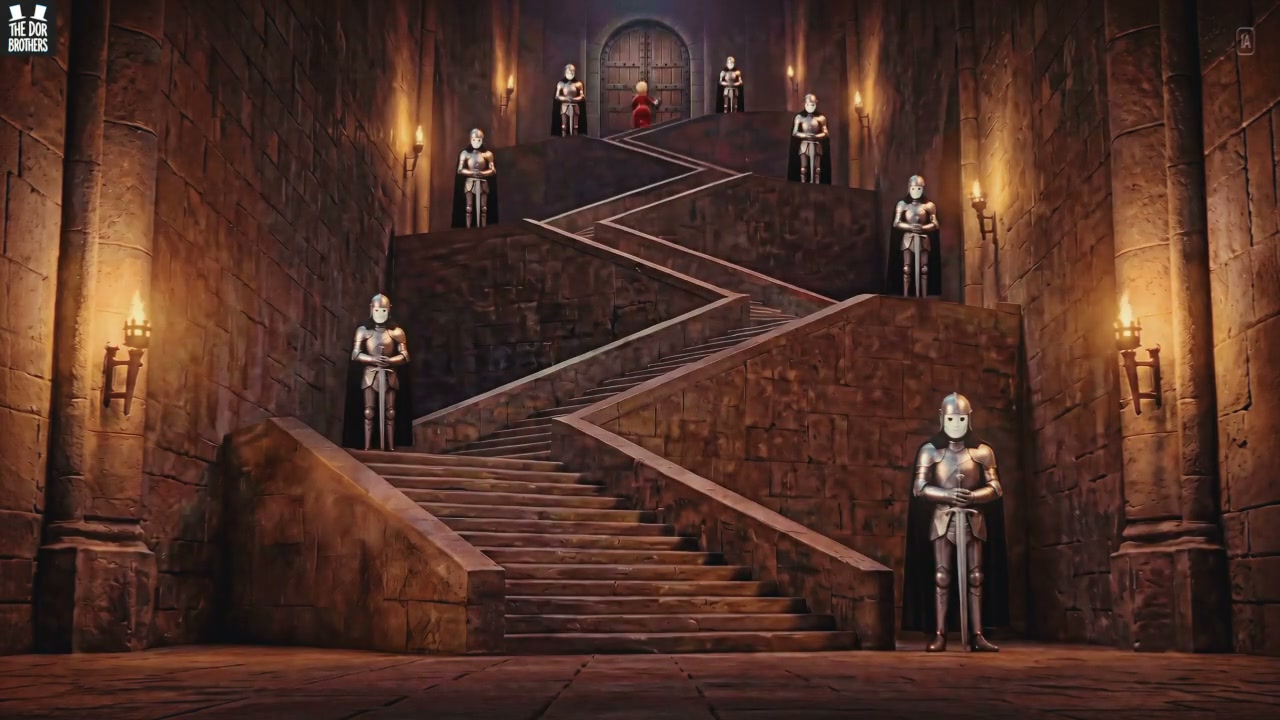
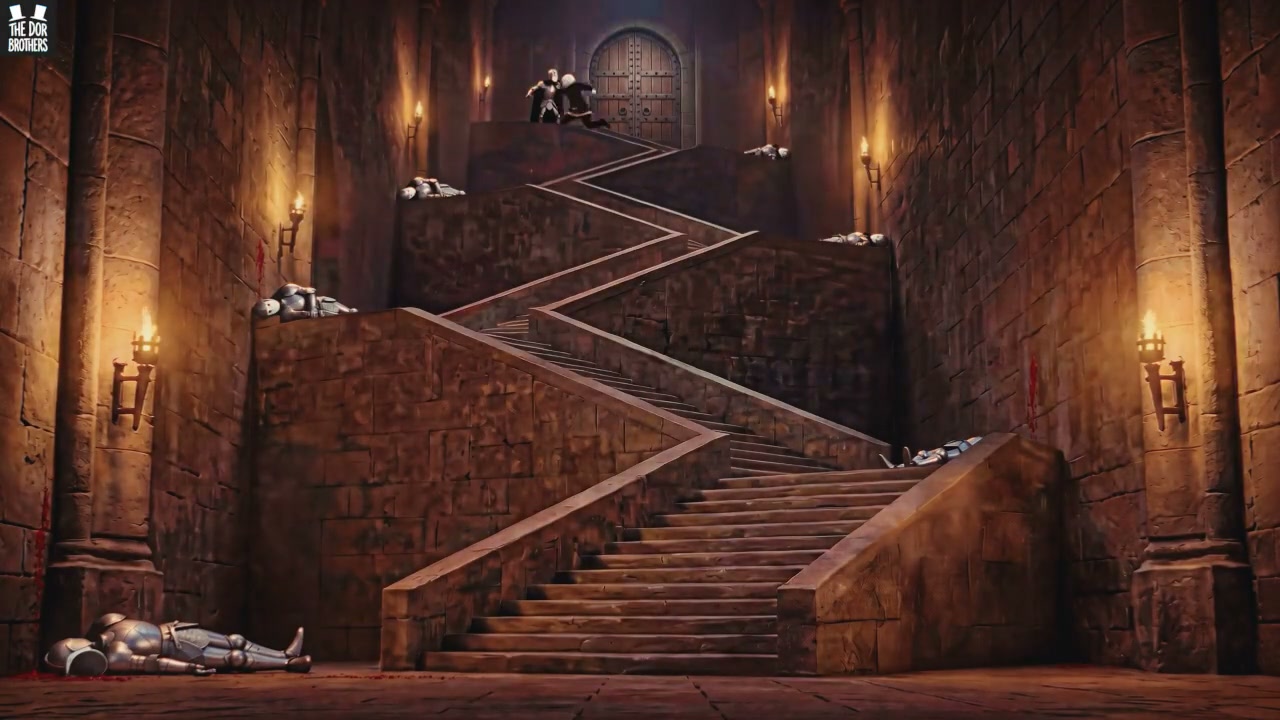
A pine forest in low sun. Crown Guards in plate armour, axes raised, advance through the trees on the bearded commoner. Cut to the capital under a banner of the sun: inside the throne hall, eye-sigil guards line the staircase and a bearded king in crown and ermine is run through from offscreen. Power changes hands across two locations in a single beat.
Production Note
A two-location power transfer held together by a single eyeline. The forest ambush establishes the threat; the throne hall delivers the consequence. Both passes share the same eye-sigil iconography so the audience reads them as one continuous regime change.
05.01
05.02
05.03
05.04
SC 06 / 1207:00 - 08:30
06
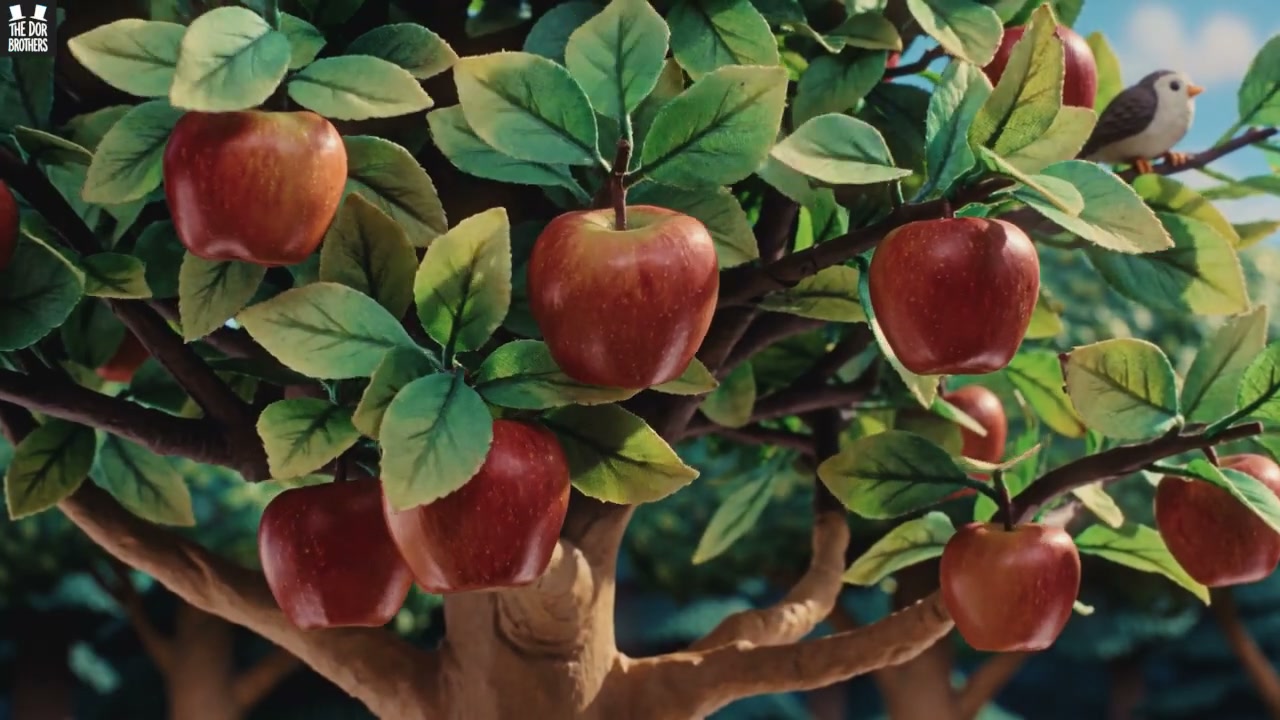
CAPVT III - NATVRA / Apple Tree
Engraving + Macro Live / Static / Daylight
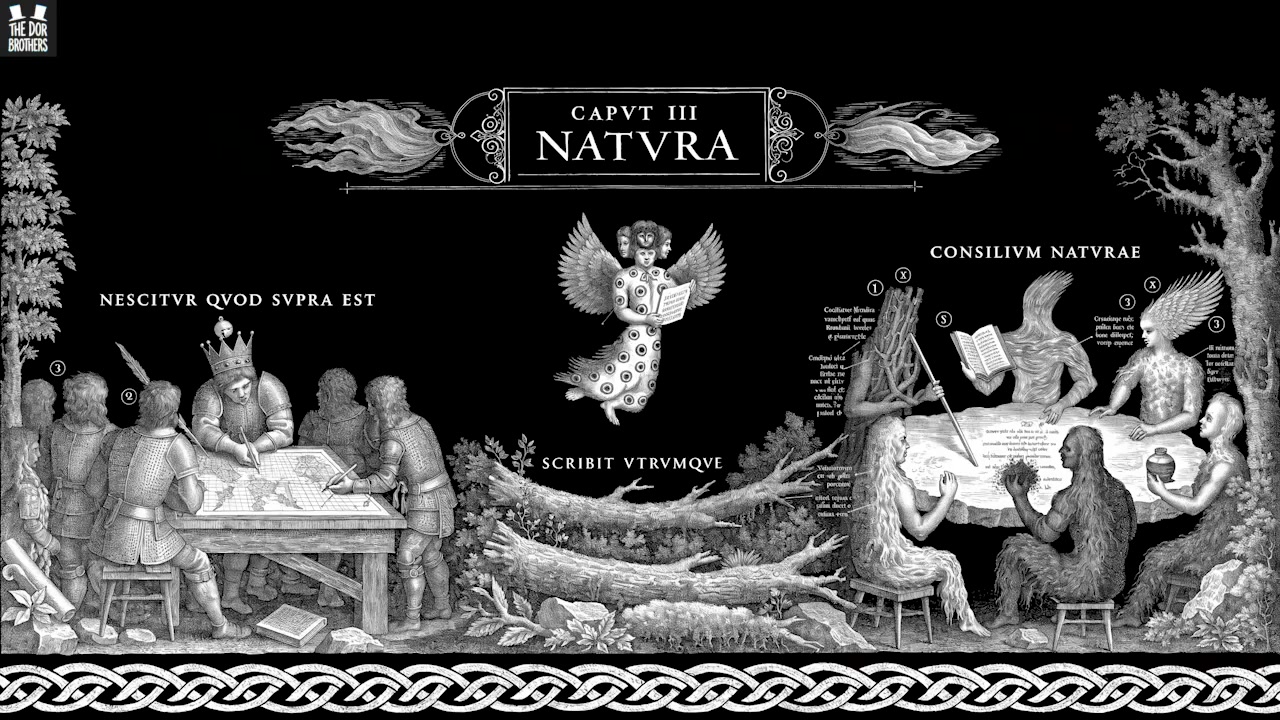
A second chapter plate. A council of figures, a winged scribe, a tree of judgement. Cut to a real apple tree heavy with red fruit, a small bird on a branch - the first natural image after the throne hall, and the only one the moon-king will inherit cleanly.
Production Note
The chapter plate sits adjacent to a hyperreal macro of the apple tree without breaking either register. The production treats the engravings and the volumetric shots as two parallel languages of the same world, not as a stylistic mismatch.
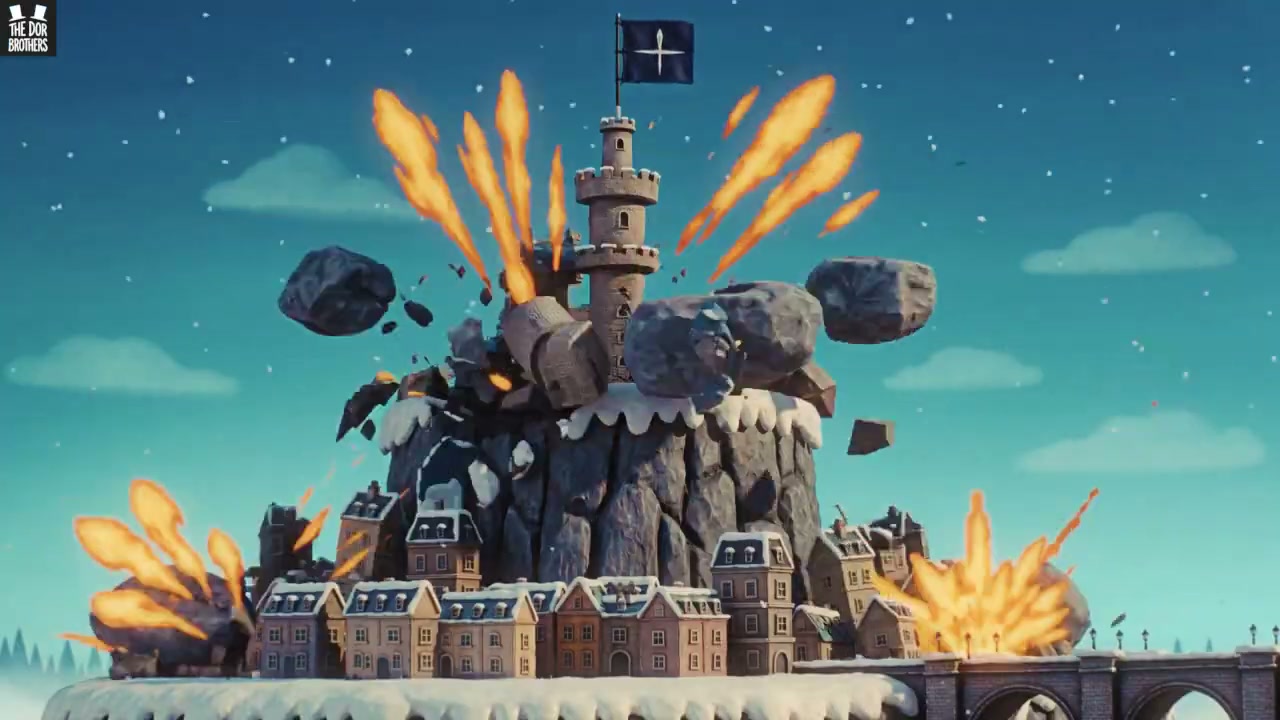
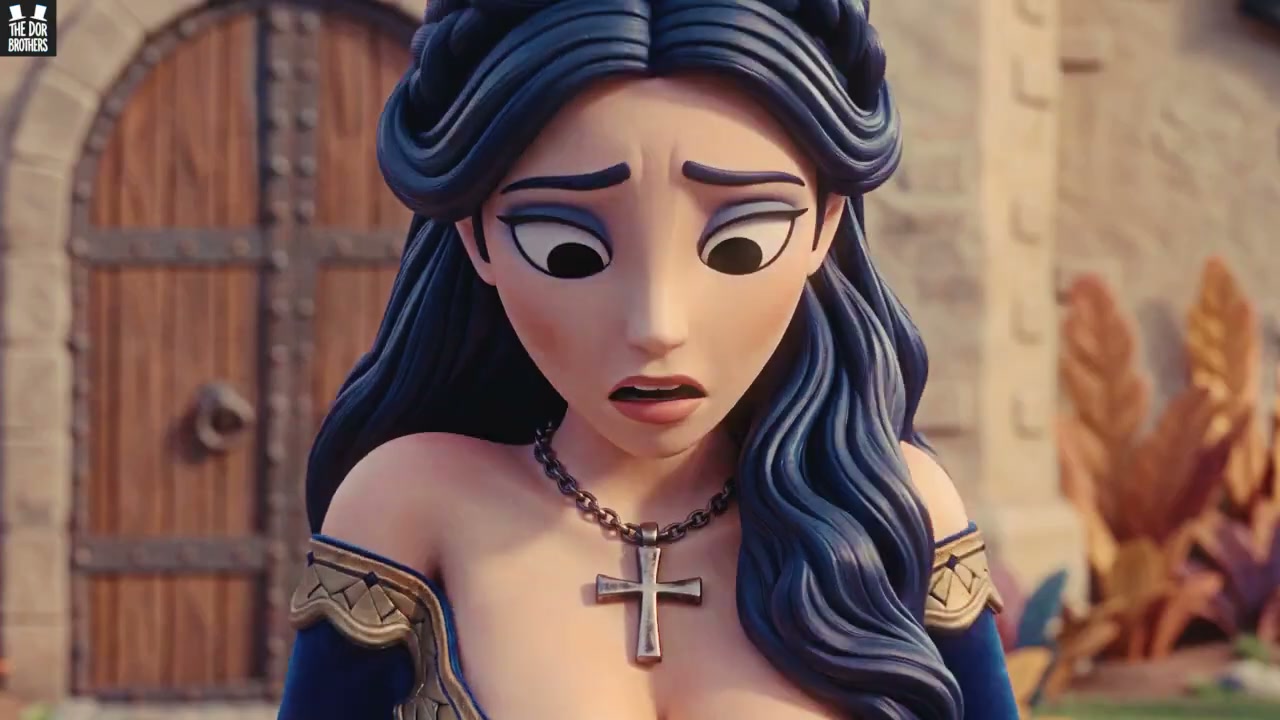
A dark-haired noblewoman in blue and gold, an iron cross at her throat, stands shaken outside a stone keep. Cut wide: a tower in a winter capital bursts in fire, masonry and snow flung outward beneath a black flag. The first witness, and the first collapse, in the same beat.
Production Note
Two character objects share a frame load - the cross at her neck and the burning flag on the tower carry the same iconographic weight. The cut works because the production matched the cross silhouette and the tower silhouette across the join.
07.01
07.02
07.03
SC 08 / 1210:00 - 11:30
08
CAPVT IV - IMPERIVM / The Court of Women
Engraving + Group Tableau / Static / Soft Daylight
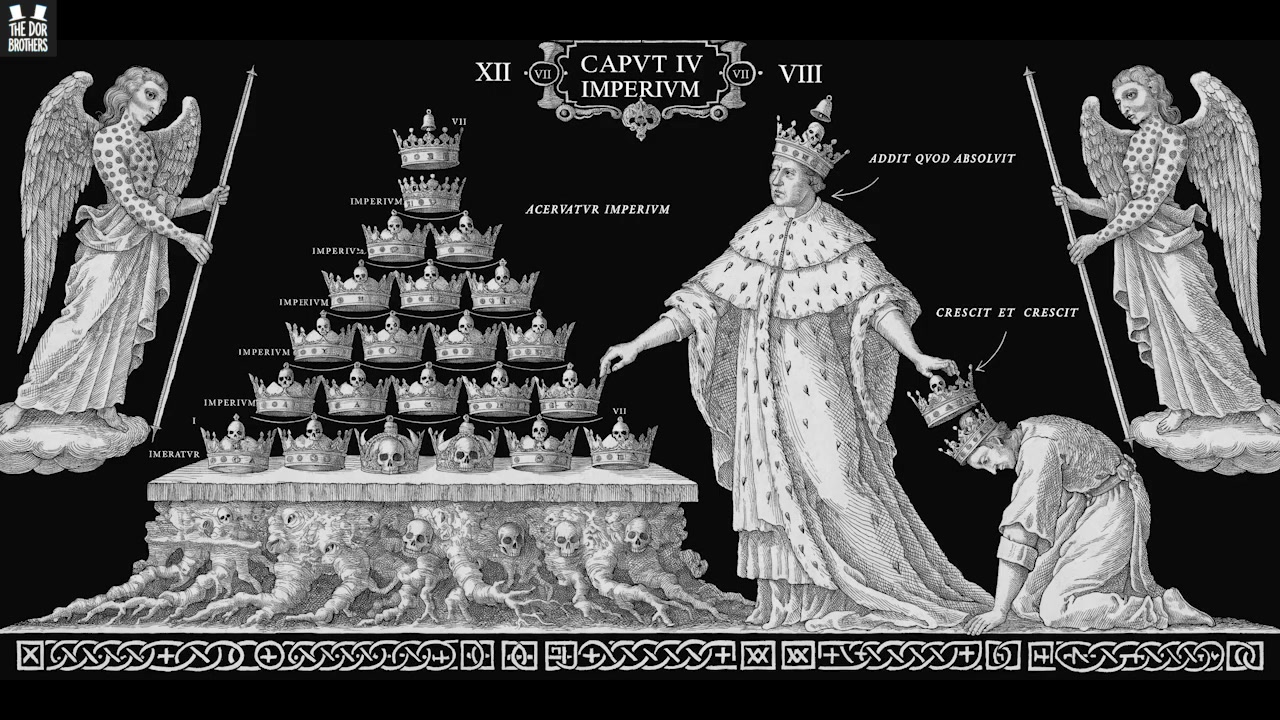
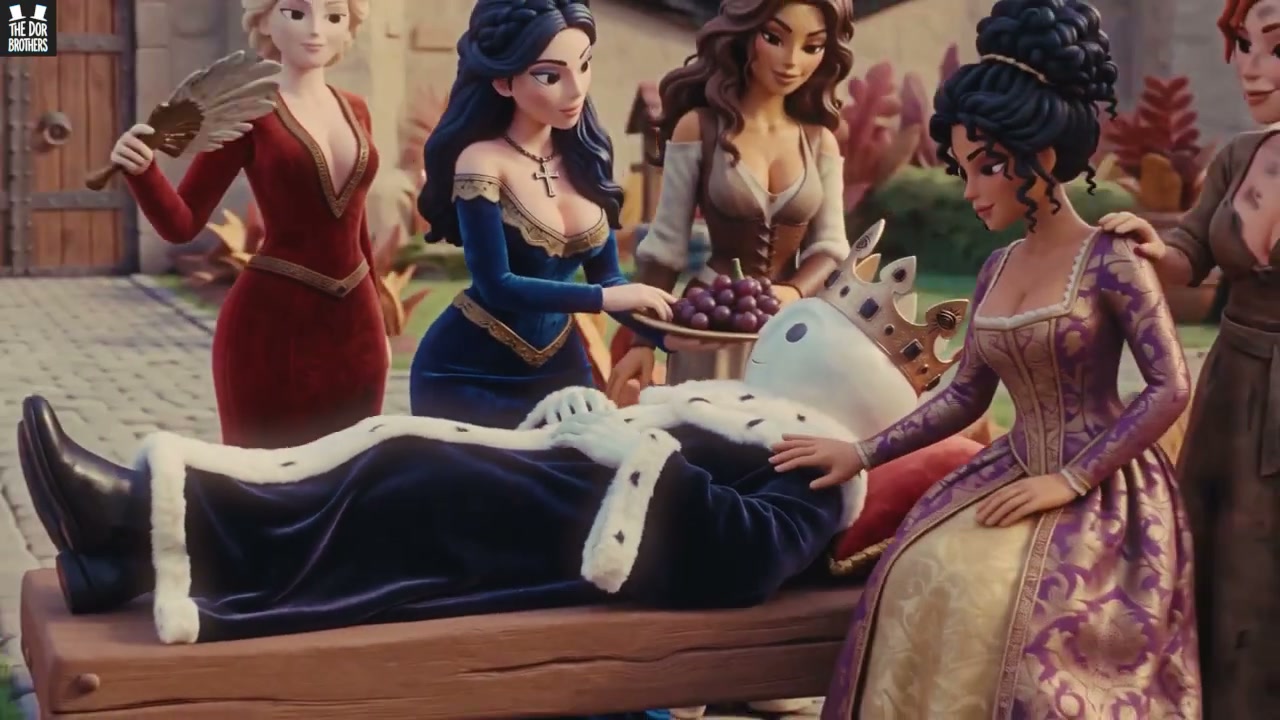
Chapter plate: a pyramid of crowns on a heap of skulls, an emperor crowning a kneeling subject, angels at the edges. Cut to the moon-king reclining outdoors, surrounded by a court of women in jewel-tone gowns offering grapes and fans. The kingdom is consuming itself in his name.
Production Note
A four-figure female ensemble around a reclining hero is one of the hardest character locks in long-form AI - identity, costume, and gaze direction all have to hold without merging. The production fixed each attendant as a separate locked asset before composing the group.
08.01
08.02
08.03
SC 09 / 1211:30 - 12:30
09
The Witness Reacts
Close-Up / Static / Overcast Daylight
A close-up on the Iron-Cross witness outside a stone keep, mouth parted, eyes wide. Whatever the moon-king has just authorised, she has just seen it. The cross at her throat catches the afternoon light. The cost of the kingdom's new economy, rendered in a single face rather than a wide.
Production Note
The reaction is held on the witness alone, with no cutaway to what she sees. The production keeps the cause offscreen so the audience reads the cost on her face rather than on the destruction. The cross silhouette anchors the frame.
09.01
09.02
SC 10 / 1212:30 - 14:00
10
CAPVT V - CREDO / The Queen at Sunset
Engraving + Two Shot / Static / Sunset Backlight
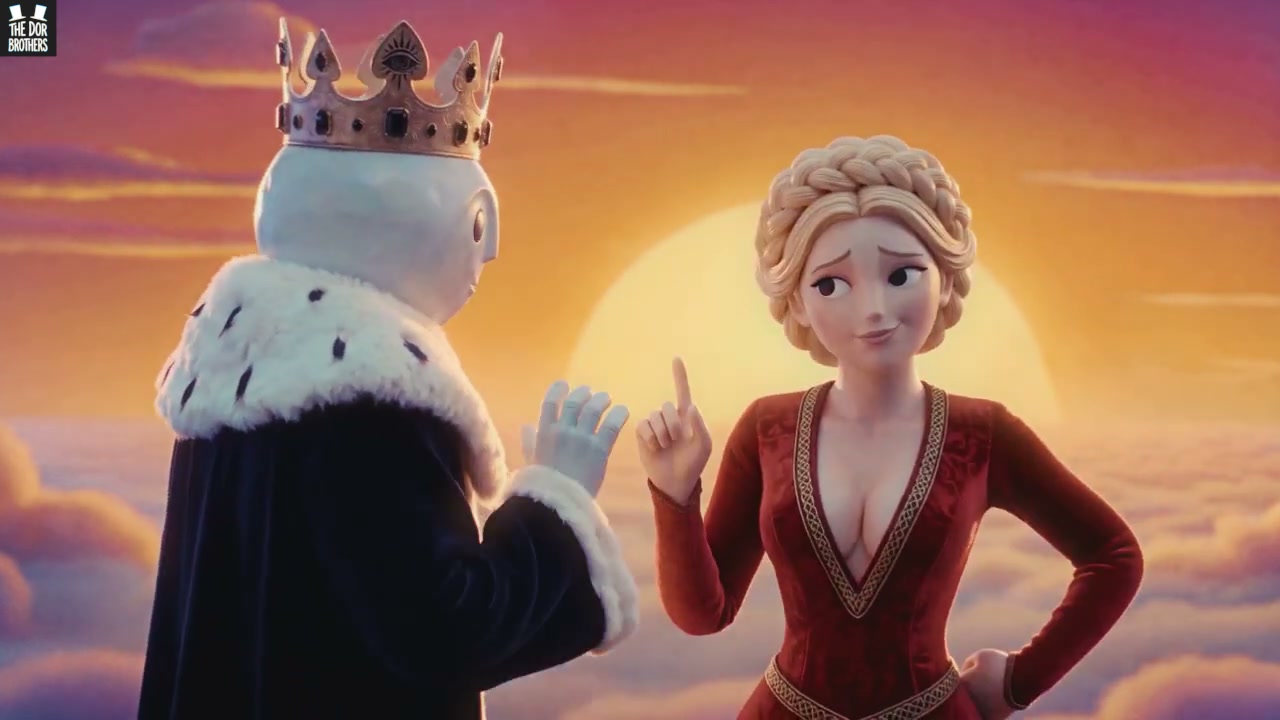
A final chapter plate: a burning tree of life, a winged figure of many eyes, a small king at the foot of it. Cut to a clifftop above the clouds at sunset. The blonde queen in a red gown turns to the moon-king and lifts a finger - the only direct address in the film. He listens with both gloved hands raised.
Production Note
The cliffside two-shot had to balance a flesh-and-cloth queen against a blank porcelain mask without the mask reading as flat. The lighting key on the mask is shifted half a stop warmer than the queen, so it absorbs the scene rather than reflecting it.
10.01
10.02
10.03
SC 11 / 1214:00 - 14:45
11
The Walk and the Falling Through Fire
Sequence / Mixed Cameras / Mixed Light
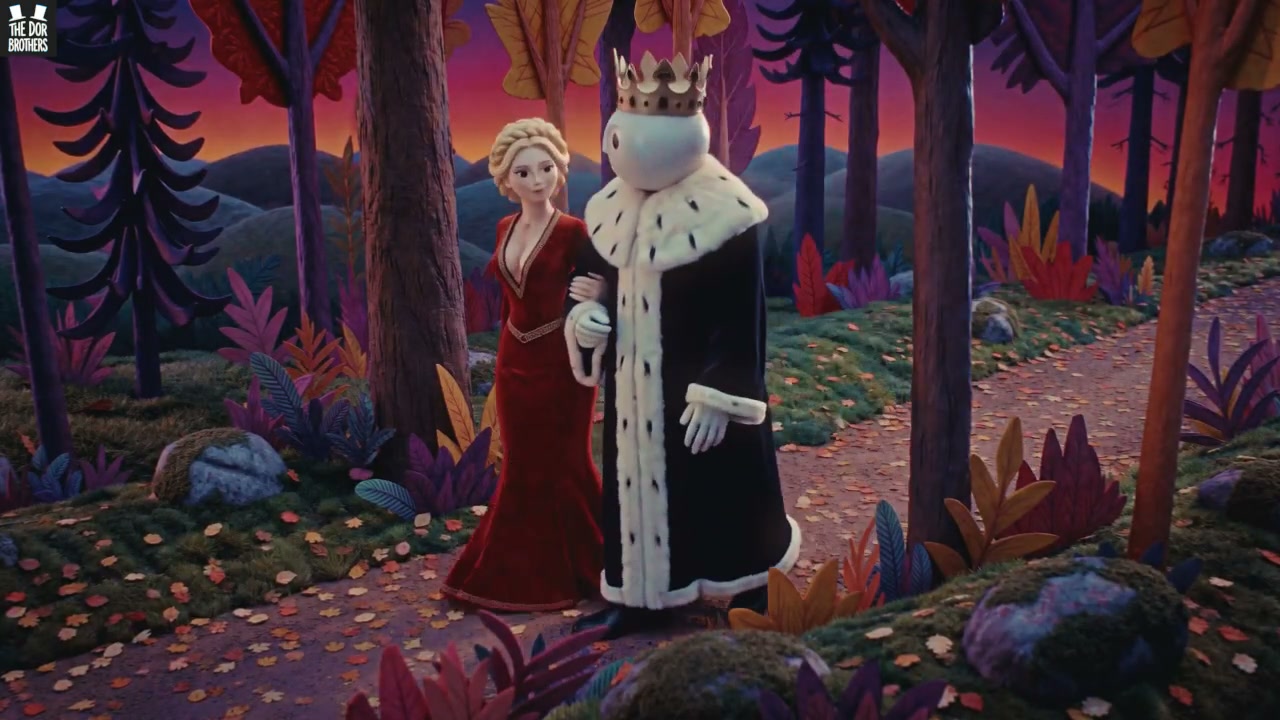
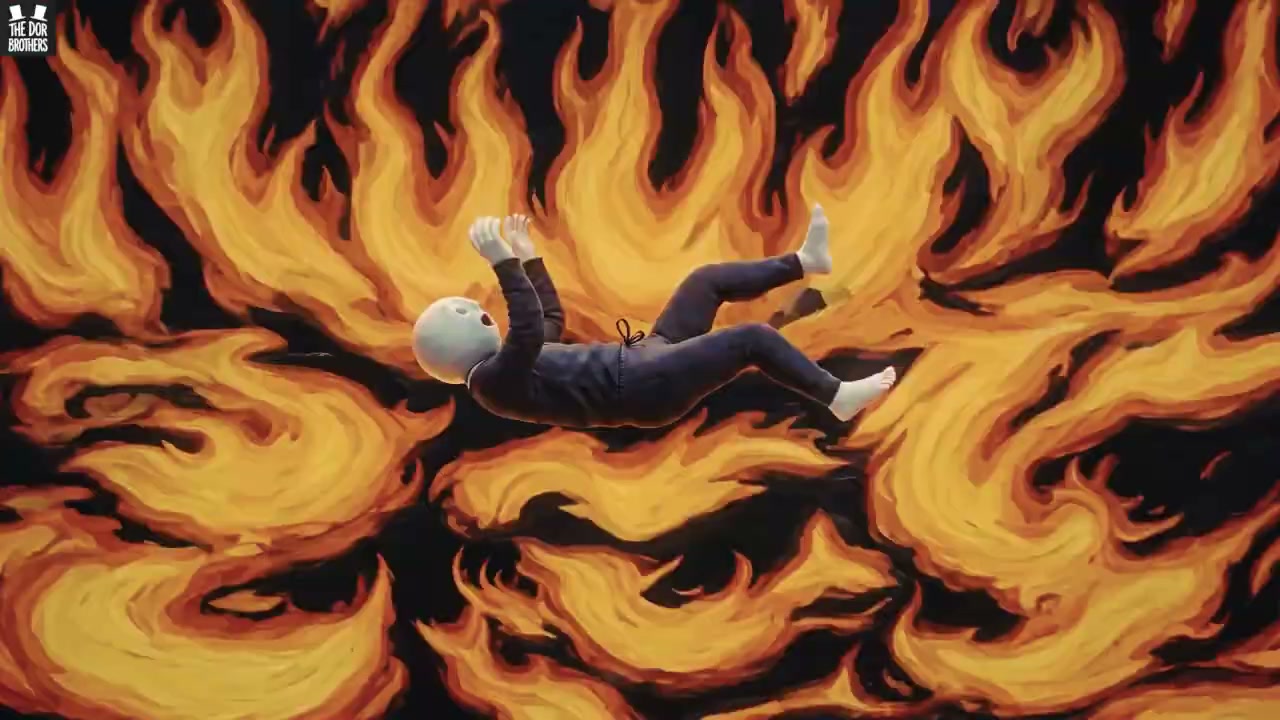
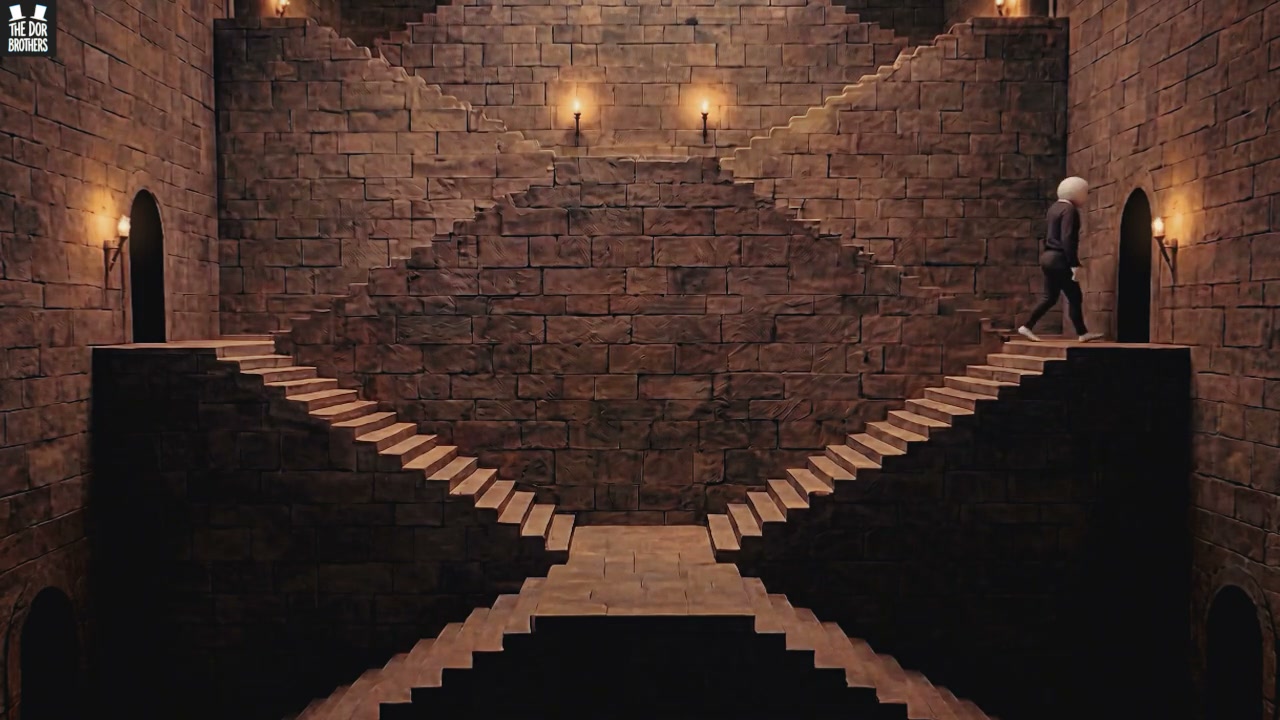
The crowned moon-king walks an autumnal forest path at sunset, the blonde queen on his arm in a deep red gown. The kingdom has paused. Then the cuts accelerate: the king alone on an Escher staircase above a river of magma, and finally falling weightless through a wall of stylised flame. The kingdom is no longer behind him.
Production Note
A four-shot sequence held together purely by character lock - the same body, the same mask, four irreconcilable environments. The audience reads it as one continuous descent because the figure never re-renders, only the world around him does.
11.01
11.02
11.03
11.04
11.05
SC 12 / 1214:45 - 15:30
12
The Game with Death
Two Shot + Macro / Locked / Single Candle
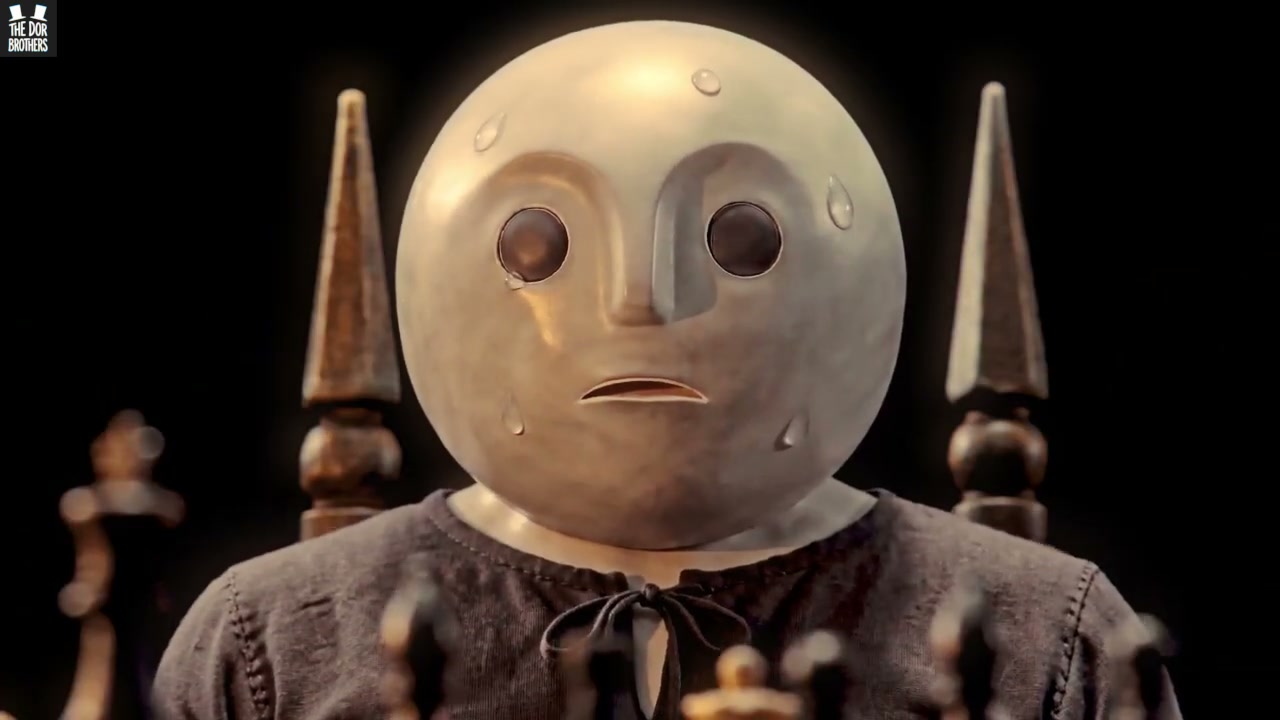
A black void. A carved table, a single candle, chess pieces in two colours. The moon-king sits across from a hooded figure in an iron crown - faceless, the same crown he once wore. A skeletal hand reaches for the pawn. He is sweating now. The film closes on his face, no longer placid.
Production Note
The closing scene is the inverse of every earlier coronation shot - same mask, same crown, same furniture vocabulary, but the crown is on the other side of the table. The production held the final image on the mask alone for several beats so the audience had time to read fear into a face that cannot move.